Know About the Health Benefits of Methi in 2026
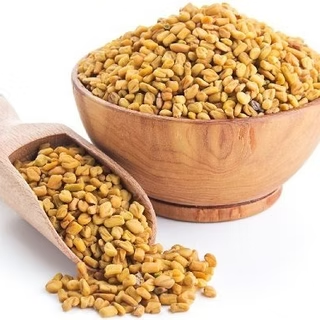
There’s a good chance methi has been sitting in your kitchen cabinet for years without you ever giving it a second thought. That small jar of golden-brown seeds your mother always added to dal or tempered in hot oil before a curry — it’s not just there for flavor. Fenugreek, as it’s called outside Indian households, has quietly earned its place in traditional medicine long before anyone coined the term “superfood.”
Where It All Started
Fenugreek isn’t native to India, interestingly enough. It actually traces back to the Mediterranean and parts of Western Asia, though it found its true home in South Asian cooking centuries ago. Botanically, it’s part of the legume family, which is why it packs more protein than you’d expect from a spice. The seeds carry that sharp, slightly bitter taste, while the fresh leaves — used in dishes like methi thepla or saag — bring a milder, earthier flavor to the table.
It Does Wonders for Digestion
If you’ve ever felt bloated after a heavy meal, methi seeds soaked overnight and eaten the next morning can genuinely help. The fiber in them adds bulk to digestion and gets things moving without irritating your stomach lining. Many people swear by this as a simple fix for constipation and acidity, long before reaching for medication.
A Natural Way to Manage Blood Sugar
This is where methi really shines. Multiple traditional and modern observations point to fenugreek slowing carbohydrate absorption in the gut, which prevents those sudden sugar spikes after meals. For someone managing diabetes or prediabetes, adding methi to daily meals — even as a small tempering ingredient — can make a noticeable difference over time.
Good for the Heart, Too
Methi seems to have a mild but real effect on cholesterol, particularly in bringing down LDL levels. Its antioxidant content also helps protect blood vessels from everyday wear and tear, which over years adds up to better cardiovascular health.
Not Just for the Inside
Methi’s benefits go beyond digestion and blood sugar. Ground into a paste, it’s a well-known home remedy for hair fall and dandruff — the seeds are rich in proteins that strengthen strands from the root. Applied on skin, it can calm irritation and add a natural glow. New mothers have also used it for generations to support breastfeeding, thanks to compounds that encourage milk production.
But Don’t Overdo It
Like most things, too much methi isn’t a good idea. Large quantities can cause stomach upset, unusually low blood sugar, or skin reactions in sensitive individuals. Pregnant women, in particular, should be cautious, since methi in excess may stimulate the uterus.
Bottom Line
Heading into 2026, with everyone chasing “natural” health fixes, methi is already sitting right there in most Indian pantries — inexpensive, easy to use, and backed by generations of practical experience. Sometimes the best remedy isn’t a new discovery at all. It’s something your grandmother already knew.
About the Author