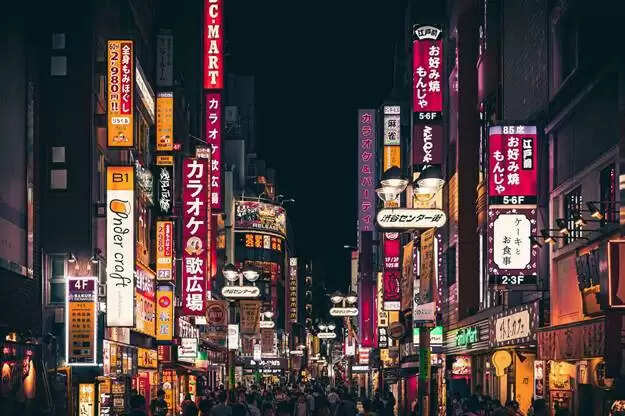
Photo by Aleksandar Pasaric: https://www.pexels.com/photo/people-walking-on-the-street-2506923/
Few nations can rival Japan’s ability to combine traditional customs with contemporary wonders, making it a dream destination for many tourists. The nation has something to offer everyone, whether it’s exploring tranquil shrines, indulging in the freshest seafood, or marveling at cutting-edge technology in the busy center of Tokyo. Tokyo is one of the most popular tourist spots in Japan, drawing first-time visitors who are keen to experience its distinct culture.
However, visiting Japan for the first time can be a little intimidating. But with the correct advice, your trip will go more smoothly, be more pleasurable, and be much more fruitful. This thorough guide will help you get around Japan like an expert.
Discover the Basics of Japanese Etiquette
In Japan, etiquette and respect are fundamental to daily existence. Being mindful of cultural etiquette as a visitor will not only help you stay out of embarrassing situations but also win you the respect of the locals.
Avoid talking too loudly in public, always say “arigatou” (thank you), and bow when you greet someone. For instance, talking on your phone or disturbing other people while on public transportation is deemed impolite.
Another important rule is to always take off your shoes before entering a person’s house, a particular restaurant, or a traditional inn (ryokan). For this reason, wearing shoes that are easy to take off is a smart idea.
Understand the Transportation System in Japan
Japan’s rail system is well-known across the world for its efficiency, speed, and timeliness. A must-try experience, the Shinkansen (bullet train) transports you across the nation at breathtaking speeds. For longer journeys, think about getting a Japan Rail Pass, which can save you a lot of money if you want to see several cities.
Get a prepaid IC card (such as Suica or Pasmo) for local travel inside cities. Traveling on buses, trains, and even some vending machines and convenience stores is made easy using these cards.
Remember that Tokyo’s rail stations are enormous, with numerous platforms and exits, making them initially intimidating. Allow additional time, use translation apps, and don’t be afraid to ask staff for assistance (they’re usually extremely accommodating) to prevent stress.
Convenience Planning: Storage and Baggage
In Japan, it’s best to travel light, especially if you’ll be visiting several cities. You can store your bags in coin-operated lockers at many rail stations, though availability may be restricted during rush hours.
Travelers may easily drop off heavy belongings and tour hands-free with the help of services like luggage storage tokyo. If you have a late flight after checking out or come early before hotel check-in, these services are quite helpful. Additionally accessible is luggage forwarding, often referred to as takkyubin, which enables you to ship your bags ahead of time to your next location, reducing your trip anxiety.
Stay Connected
Despite its technological prowess, free Wi-Fi isn’t as common in Japan as most people think. Get a Japanese SIM card at the airport or rent a portable Wi-Fi gadget to keep connected. It will be a lot simpler to navigate Japan if you always have access to maps, translation applications, and travel guides.
In Japan, apps like Google Maps are very useful and may even help you navigate the complicated public transit system. When you use this in conjunction with Google Translate, communication and travel will become much easier.
Savour the Food, But Know the Etiquette
One of the main attractions in Japan is its cuisine, and it is imperative to sample the native fare. The flavors of okonomiyaki, ramen, sushi, and wagyu beef are all remarkable. Although eating out is enjoyable for beginners, there are some etiquette guidelines to follow.
For example, it is considered a funeral rite to stick chopsticks upright in a dish of rice. Instead of soaking the rice when eating sushi, dab the fish side into the soy sauce. On the other hand, slurping noodles is totally fine and even considered courteous.
Joining a food tour can provide you with a supervised introduction to Japan’s culinary industry and boost your confidence for future dining encounters if you’re afraid to dig in alone.
Explore Beyond the Big Cities
Even though Tokyo and Osaka are exciting cities, some of Japan’s most unforgettable moments are located outside of the dazzling lights. See the beautiful temples, tea ceremonies, and traditional geisha districts of Kyoto. Visit Nara to see the Great Buddha and feed the amiable deer.
Nature lovers should visit Nikko for its UNESCO World Heritage shrines encircled by verdant forests, or Hakone for its hot springs and views of Mount Fuji. The calmer tempo and genuine experiences found in rural Japan counterbalance the bustle of the city.
Budget Wisely and Use Cash
Although Japan is known for being pricey, astute tourists are able to control expenses. Conveyor-belt sushi restaurants, ramen shops, and even convenience stores like 7-Eleven, Lawson, and FamilyMart provide reasonably priced meals with unexpectedly delicious selections.
Cash is still preferred in many small eateries, neighborhood stores, and rural places, even if credit and debit cards are becoming more widely accepted. Plan ahead to have some yen on hand because post offices and convenience stores frequently have ATMs that take foreign cards.
Learn Important Phrases in Japanese
Even though a lot of Japanese people can understand some English, it still helps to know a few basic words. Your conversations will be more cordial and courteous if you utilize “sumimasen” (excuse me), “arigatou gozaimasu” (thank you very much), and “konnichiwa” (hello).
Locals truly value the effort, and even a few words might give you more confidence when navigating eateries, stores, or transit.
Go Slowly and Savor the Moment
There are so many exciting things to do in Japan that it can be tempting to plan your days from dawn to dusk. Whether it’s sipping matcha in a peaceful teahouse, taking in the hustle and bustle of Shibuya Crossing, or admiring cherry blossoms in a nearby park, the best way to enjoy your trip is to slow down and appreciate the little things.
While traveling at a deliberate pace guarantees you get the most out of your trip, hurrying can leave you feeling worn out.
About the Author