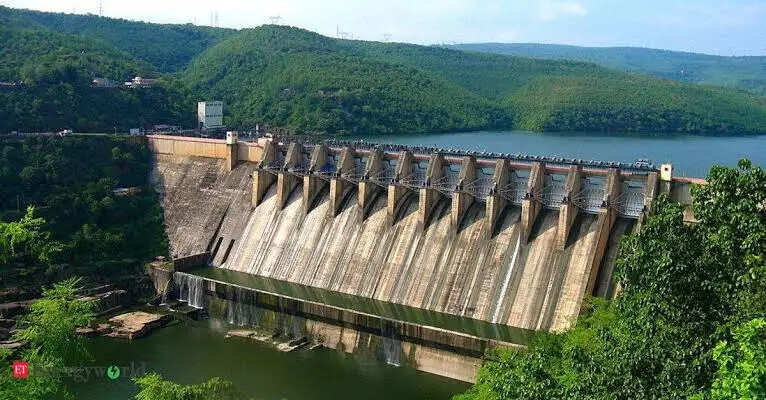
India, a country of diverse landscapes and climates, has been harnessing its abundant water resources through the construction of massive dams. These engineering marvels serve multiple purposes, including irrigation, flood control, and electricity generation. As of 2023-2024, India boasts several impressive dams, with the top five standing out for their sheer size and impact on the nation’s development.

- Bhakra Dam:
Situated on the Sutlej River in Himachal Pradesh, the Bhakra Dam remains a symbol of India’s engineering prowess. Completed in 1963, it continues to be one of the largest dams in the country. The Bhakra Dam provides vital irrigation water to the states of Punjab, Haryana, and Rajasthan, contributing significantly to agricultural productivity. Moreover, it generates substantial hydroelectric power, a crucial source of energy for the region.
- Hirakud Dam:
Located on the Mahanadi River in Odisha, the Hirakud Dam stands as one of the longest dams in the world. Completed in 1957, it was the first major multipurpose river valley project in India. Hirakud Dam plays a pivotal role in controlling floods in the Mahanadi Delta and provides water for irrigation in the region. Additionally, it generates electricity, supporting the economic development of the surrounding areas.
- Tehri Dam:
Nestled on the Bhagirathi River in Uttarakhand, the Tehri Dam is one of the tallest dams in India and one of the highest in the world. Completed in 2006, it serves the dual purpose of hydroelectric power generation and water supply for irrigation. The Tehri Dam has significantly contributed to the economic development of the region and has become a prominent tourist attraction.
- Sardar Sarovar Dam:
Built on the Narmada River in Gujarat, the Sardar Sarovar Dam is a colossal structure that has been a subject of both admiration and controversy. Completed in 2017, the dam provides water for irrigation, drinking, and industrial use to the states of Gujarat, Madhya Pradesh, Maharashtra, and Rajasthan. It also generates substantial hydroelectric power, contributing to the overall energy needs of the region.
- Indira Sagar Dam:
Situated on the Narmada River in Madhya Pradesh, the Indira Sagar Dam is the largest reservoir in India in terms of storage capacity. Completed in 2005, it primarily serves as a multipurpose project, providing water for irrigation, drinking, and industrial use. The dam also plays a crucial role in flood control in the Narmada Valley. Additionally, the hydroelectric power generated by the dam contributes to the energy requirements of the central and western regions of the country.
Conclusion:
As we step into 2024, India continues to harness its water resources through these monumental dams. These engineering feats not only contribute to the nation’s economic development but also address vital concerns such as water scarcity, flood control, and sustainable energy generation. The top five dams highlighted here showcase India’s commitment to utilizing its natural resources for the benefit of its people, setting the stage for a more resilient and sustainable future.
About the Author