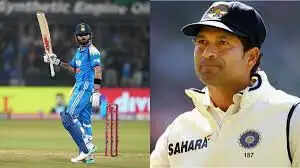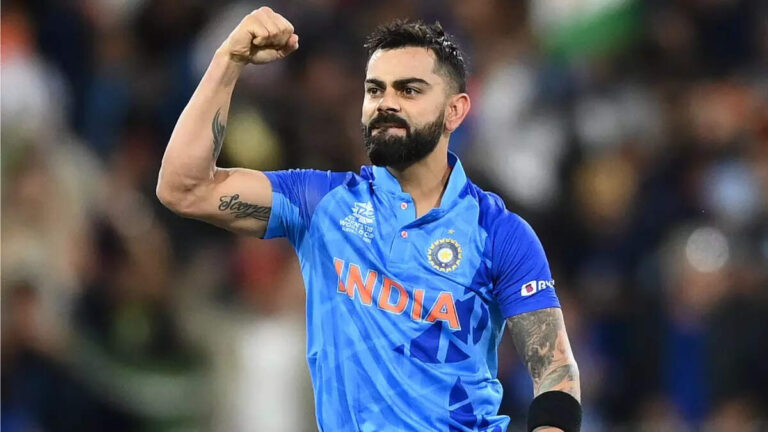
The Indian Premier League (IPL), which saw the light of day in 2008, has grown to become what is now the world’s most valued and extensive cricket league. Beyond what transpires on the field, the league’s success is also due to its array of principal owners who put in great investment in team growth, player identification, and long-term brand building. These owners range from large-scale corporations to film stars and global investment companies.
As we head into the 2026 season, discussions about franchise ownership, which in the case of Royal Challengers Bangalore (RCB) are at the fore once again, bring the business of the IPL to the fore.
Latest Ownership Developments in 2026
RCB’s issue, which is at the forefront of many discussions at the moment, is the ownership. At present, the franchise is with United Spirits Limited, which is a part of Diageo’s global beverage group. It is reported that Diageo is looking to sell off a stake and has engaged financial advisors to that end.
A report that the CEO of Serum Institute, which is Adar Poonawalla, has put forth a competitive bid for the franchise is out there. We have not seen any formal announcement of an ownership change yet. Also reported is that film production companies and celebrity investors may be getting into the picture, which at this point is unconfirmed.
Overview of IPL Team Owners
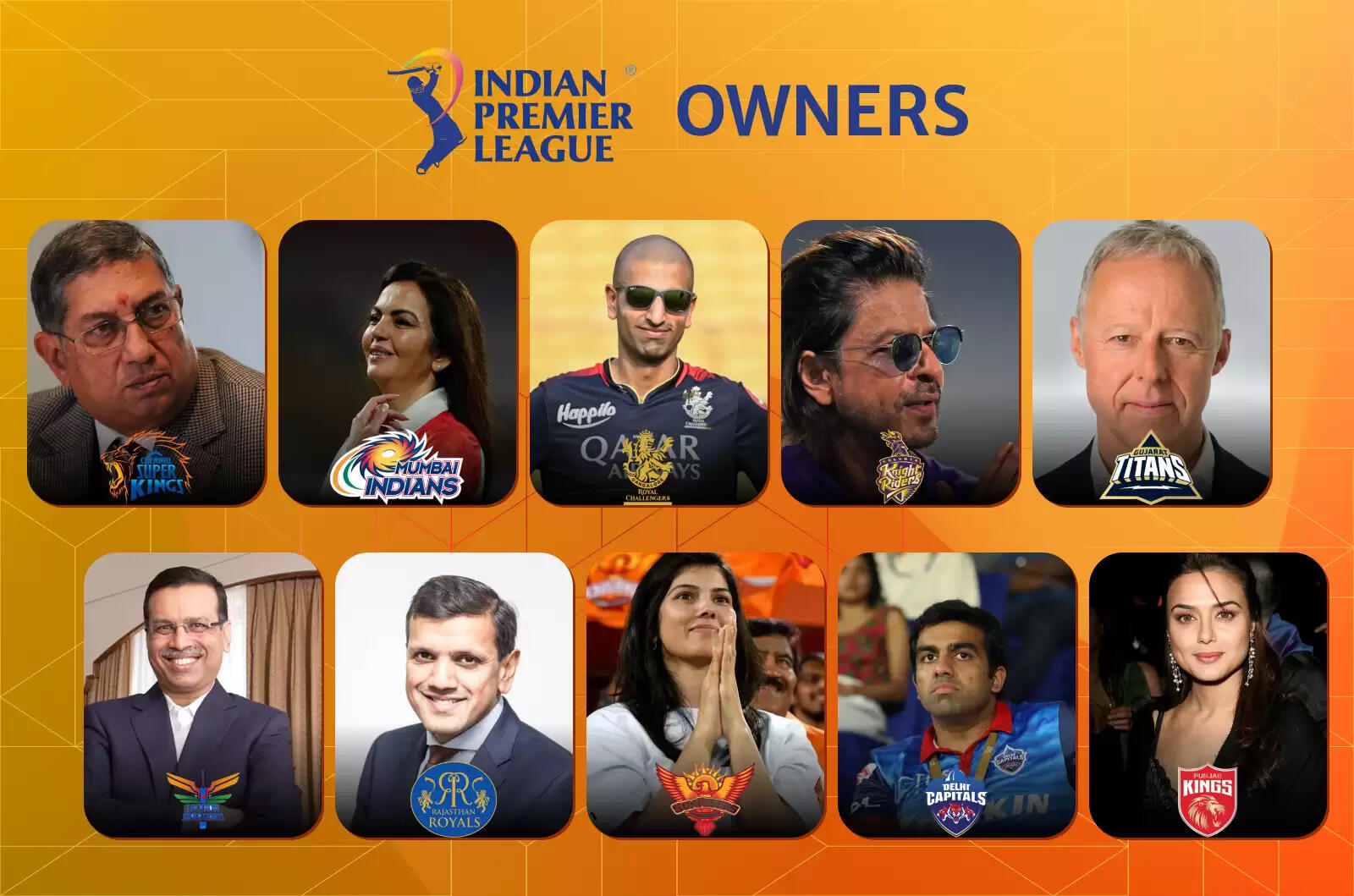
In each of the IPL franchises, you will see that there is a strong financial backer or a well-known personality behind it. In the case of the Mumbai Indians, we see that they are owned by Mukesh and Nita Ambani via Reliance Industries, and they are also among the most successful teams in league history. Chennai Super Kings, on the other hand, are run by India Cements, which is headed by N. Srinivasan, and also has earned a mark for consistency and fan loyalty.
Sunrisers Hyderabad is a team that is put together by Sun TV Network, which is led by Kalanithi Maran, and also Delhi Capitals, which sees a joint ownership of the groups GMR and JSW that are among India’s top industrial players.
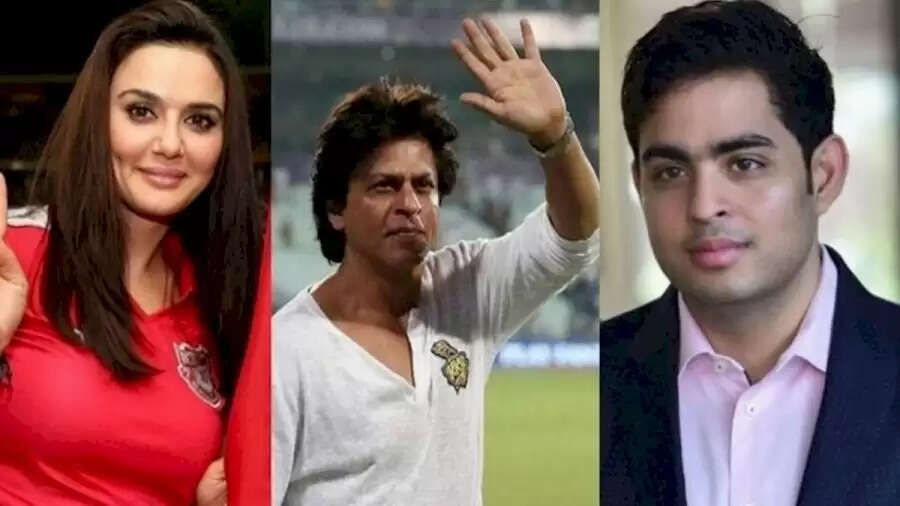
Punjab Kings stands out for it’s multi owner structure, which includes business leaders Mohit Burman and Ness Wadia, along with actor Preity Zinta. Also out of the picture is Kolkata Knight Riders, which is owned by Shah Rukh Khan, along with Juhi Chawla and Jay Mehta, and which remains one of the league’s most popular teams.
Gujarat Titans, which is a franchise of CVC Capital Partners, won the title in their first season. Lucknow Super Giants, who are backed by Sanjiv Goenka’s RPSG Group, have very much put themselves in the playoff picture.
Business Power Behind IPL Success
Team owners play a larger role than just funding player acquisition. They also develop management strategies, marketing campaigns, and global fan engagement plans. What we see from successful teams is an investment in youth development, in analytics, in the long-term planning of their squad, which in turn produces sustained success.
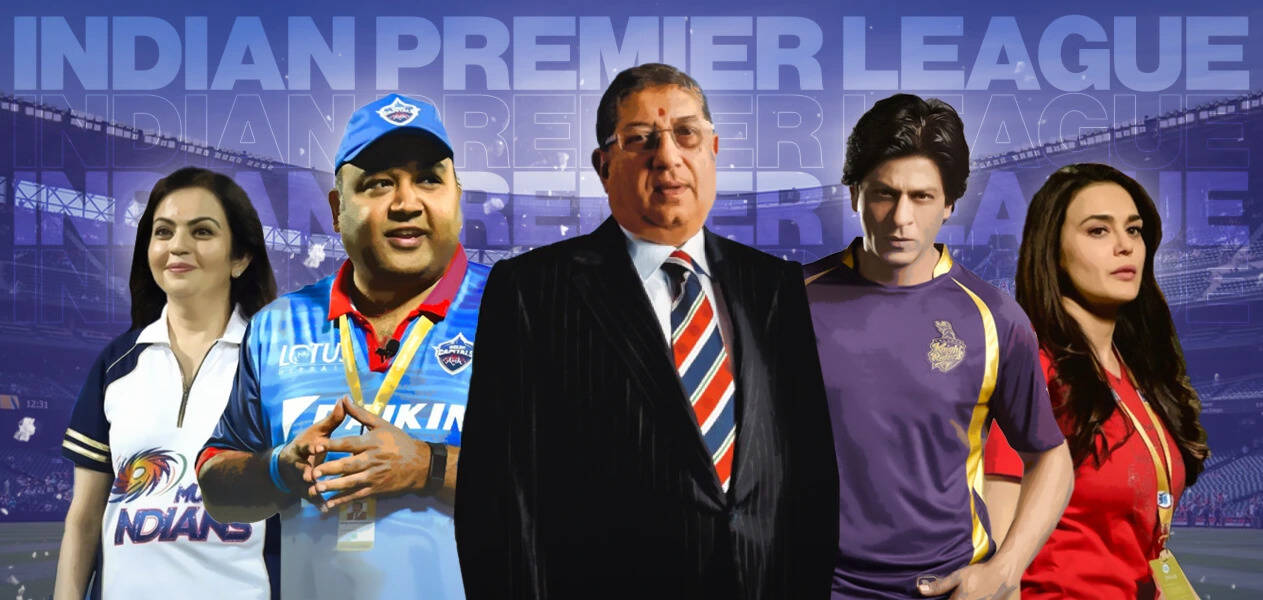
IPL’s business success is a result of growing franchise values, sponsor deals, and broadcast revenues, which in turn make ownership at once prestigious and profitable.
Conclusion
The IPL is still doing very well in terms of quality of play and power of ownership groups. In terms of owner discussions, new investments, and growth of business models, the league is also very much in flux off the field.
RCB’s 2025 title success was a result of patient effort and structured management, which had finally paid off. As the league progresses, we see the owners of the franchise at the forefront in terms of what the future holds for the world of IPL cricket.
About the Author