
A kitchen renovation is one of the most impactful investments a homeowner can make, and thoughtful kitchen appliance upgrades are at the heart of any successful redesign. In 2026, the market offers a remarkable range of smart, energy-efficient, and aesthetically refined options that go far beyond what was available even a few years ago. Whether someone is working with a compact layout or a large kitchen with generous counter space, upgrading the core appliances can transform both the functionality and the visual character of the space. This guide walks through each phase of the upgrade process — from initial planning and budgeting to installation and long-term maintenance — so that homeowners and interior designers alike can approach their 2026 renovation with clarity and confidence. The steps below are designed to be practical, universally applicable, and free of unnecessary complexity.
Step 1: Assess Your Current Kitchen Setup
Identify What Is No Longer Working
Before purchasing any new appliance, a clear-eyed audit of the existing kitchen is essential. Homeowners should evaluate which appliances are underperforming, outdated, or no longer meeting household needs. A refrigerator that runs loudly, a dishwasher that leaves residue on glassware, or a range that heats unevenly — these are signals that replacement, not repair, is the more sensible path. Writing down specific pain points helps prioritize which kitchen appliance upgrades to tackle first.
Measure the Space Accurately
Dimensions matter enormously in kitchen planning. Every appliance slot — whether for a refrigerator, oven, or dishwasher — has fixed spatial constraints. Measuring width, height, and depth before selecting any model prevents costly mistakes. It is also worth noting door swing directions, ventilation clearances, and proximity to water or gas connections. In a large kitchen, there may be more flexibility for freestanding units or additional appliances, while smaller spaces demand precision from the outset.
Step 2: Set a Realistic Budget and Financing Plan
Break Down Costs by Appliance Category
A full suite of stainless steel appliances for a mid-to-large kitchen can range considerably. A high-quality dishwasher typically starts around $800 and can exceed $2,000 for premium models with advanced wash cycles. A professional-grade range may cost between $1,500 and $5,000 depending on fuel type and brand. Refrigeration units vary widely based on configuration and capacity. Homeowners who plan to replace multiple appliances at once should expect a total investment of at least $2,500 for a meaningful upgrade, and considerably more for a full premium suite.
Explore Financing Options
Many appliance retailers offer installment payment plans. Some homeowners choose to finance larger renovation expenditures through a credit union, which often provides lower interest rates than traditional banks or store credit cards. A credit union personal loan can be a practical option for spreading the cost of a full kitchen appliance upgrade over 12 to 36 months without carrying high-interest debt.
Step 3: Choose Appliances That Match Your 2026 Interior Vision
Prioritize Aesthetic Cohesion
In 2026, interior design trends favor clean lines, integrated cabinetry, and cohesive material palettes. Stainless steel remains a dominant finish choice because it pairs well with both warm wood tones and cool concrete surfaces. Stainless steel appliances also offer a timeless quality that holds its visual relevance across design eras. For those seeking a more built-in look, panel-ready appliances — where cabinet doors are affixed directly to the appliance face — are increasingly popular in high-end kitchen renovations.
Select the Right Refrigeration Configuration
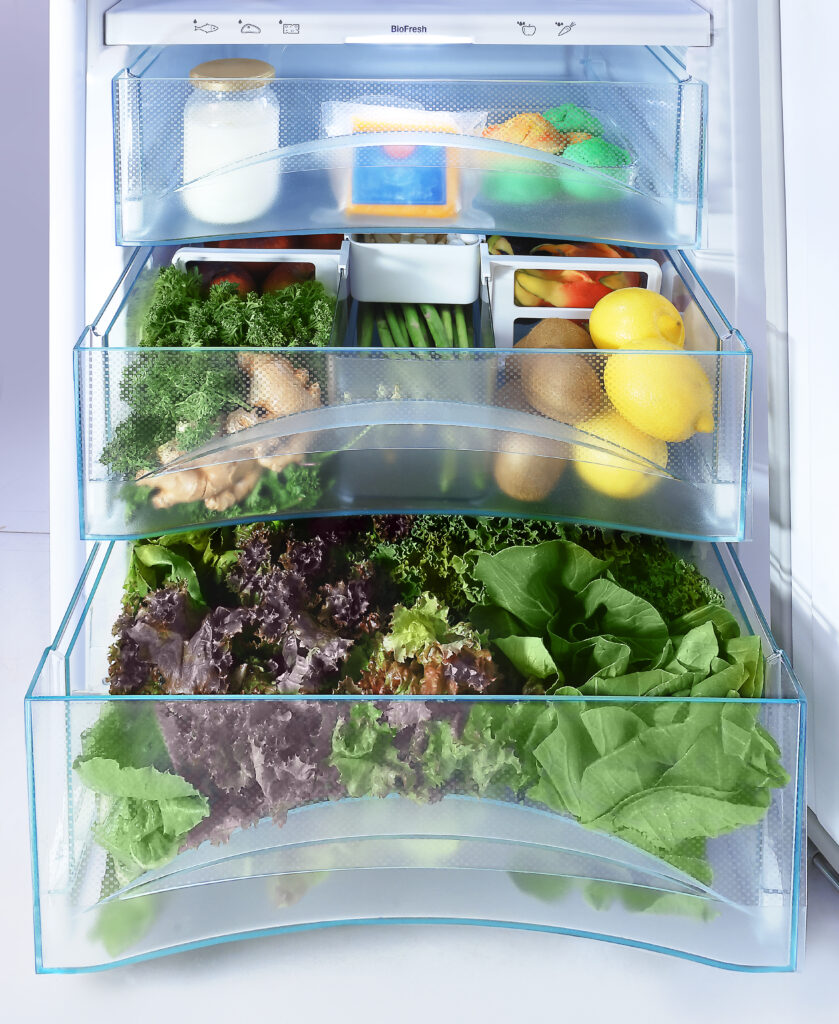
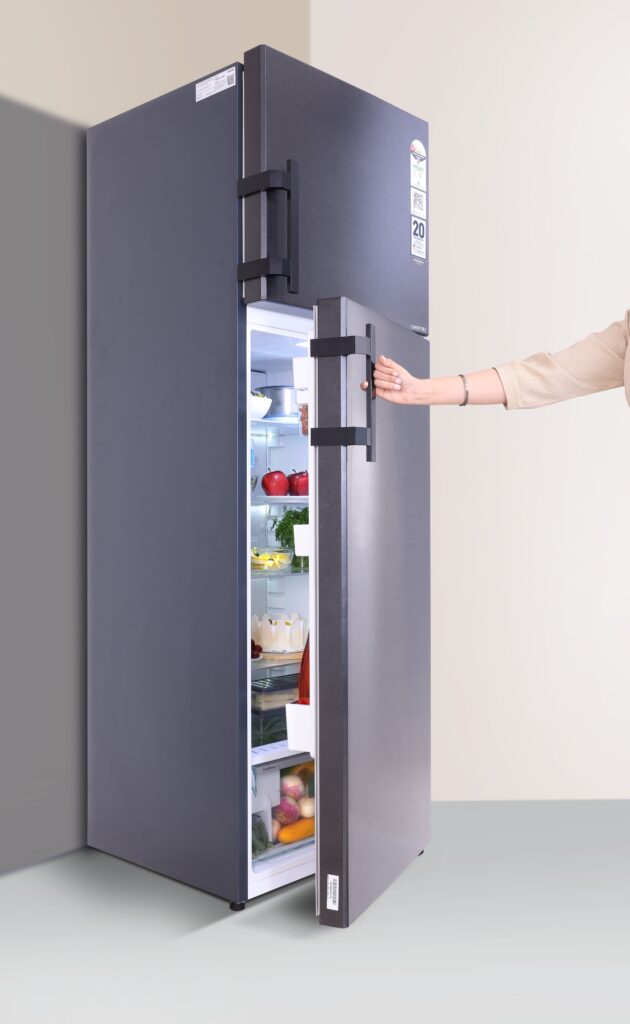
Refrigeration is often the focal point of any kitchen appliance upgrade. A well-chosen refrigerator anchors the entire kitchen visually and functionally. Those renovating a larger kitchen who want generous storage, efficient airflow, and an elegant footprint will find that a double door fridge offers a compelling combination of capacity and organized interior layout. The configuration allows for clear separation of refrigerated and frozen goods, and modern models integrate No Frost technology along with precision temperature zones for produce, dairy, and beverages.
Step 4: Prioritize Energy Efficiency
Understand Energy Ratings Before You Buy
Energy efficiency is no longer a secondary consideration — in 2026, it directly affects both running costs and environmental impact. When comparing appliances, energy labels provide a standardized guide to annual consumption. Refrigerators, dishwashers, and washing machines all carry ratings that indicate efficiency relative to their class. Choosing the highest-rated appliance within a given size and price range can reduce annual electricity costs by a meaningful margin over a decade of use.
Consider Smart Features That Reduce Waste
Modern appliances increasingly include smart sensors that adapt consumption based on load, ambient temperature, or usage patterns. A dishwasher with soil-sensing technology uses only as much water and energy as the load actually requires. Refrigerators with adaptive compressors adjust their cooling cycles to match the contents and door-opening frequency. These features contribute directly to energy efficiency gains without requiring any behavioral change from the household.
Step 5: Plan the Installation Sequence
Coordinate With Other Renovation Trades
Kitchen appliance upgrades rarely happen in isolation. In a full 2026 interior renovation, appliance installation typically follows cabinet installation, countertop fitting, flooring, and electrical or plumbing rough-in work. Coordinating the appliance delivery date with the construction timeline prevents damage to new units and avoids delays caused by incomplete infrastructure. Refrigerators and ranges should be among the last items installed to protect their finishes during the dusty phases of construction.
Verify Utility Requirements in Advance
Each appliance has specific utility requirements. A dual-fuel range requires both a gas line and a 240-volt electrical outlet. Built-in dishwashers need proximity to hot water supply and drainage. A large fridge with an ice maker requires a water line connection. Confirming all utility provisions before delivery day eliminates last-minute complications and avoids the need for emergency plumbing or electrical work, which can be both disruptive and expensive.
Step 6: Common Mistakes to Avoid During Kitchen Appliance Upgrades
Rushing through the planning phase leads to the most expensive errors. The following pitfalls are worth keeping in mind:
- Buying appliances before measuring — Even a few centimeters of miscalculation can mean a unit does not fit its designated space.
- Ignoring ventilation requirements — Built-in ovens and ranges require adequate airflow; failing to account for this reduces appliance lifespan and can create safety hazards.
- Overlooking the dishwasher — Many homeowners invest heavily in visible appliances while choosing a budget dishwasher, only to regret the noisy operation and poor cleaning results later.
- Choosing mismatched finishes — Mixing brushed nickel, matte black, and stainless steel without a cohesive plan can make even a large kitchen feel visually chaotic.
- Underestimating installation costs — Professional installation for a full suite of appliances can add $500–$1,500 to the project total, a figure that should be included in the initial budget.
- Neglecting energy ratings — Selecting an appliance based on purchase price alone without reviewing its energy consumption can result in significantly higher utility bills over time.
Your 2026 Kitchen Appliance Upgrade Checklist
Use this checklist to stay organized throughout the renovation process:
- Audit current appliances and list specific performance issues
- Measure all appliance cavities (width, height, depth) and note clearance requirements
- Establish a total budget, including installation and delivery fees — plan for at least $2,500 for meaningful upgrades
- Research financing options, including credit union loans, if spreading costs over time
- Confirm the interior design direction (finish, style, integration level) before purchasing
- Cross-check energy ratings for every appliance under consideration
- Verify all utility connections — gas, electrical voltage, water supply, and drainage
- Schedule appliance delivery to align with the construction timeline
- Confirm warranty terms and register all new appliances after installation
- Review long-term maintenance requirements (filter replacements, descaling, seal checks) for each unit
About the Author