Tile adhesive planning is one of those things that feels small until it slows the whole job down. A quick estimate, backed by a tile adhesive calculator, can help you plan quantity with fewer surprises. The trick is to measure cleanly, feed the right inputs, and allow for what real sites usually throw at you.
What Changes Adhesive Use on Site
Adhesive coverage can vary because the surface, tile, and application method rarely behave the same way on every job. If you account for these variables upfront, your estimate is more likely to stay steady.
- Tile Size and Weight: Larger formats may need better bed support and more consistent contact.
- Tile Back Pattern: Deeper grooves or uneven backs may call for extra material to achieve uniform adhesion.
- Surface Flatness: Walls and floors that aren’t truly even may push you towards a thicker bed in patches.
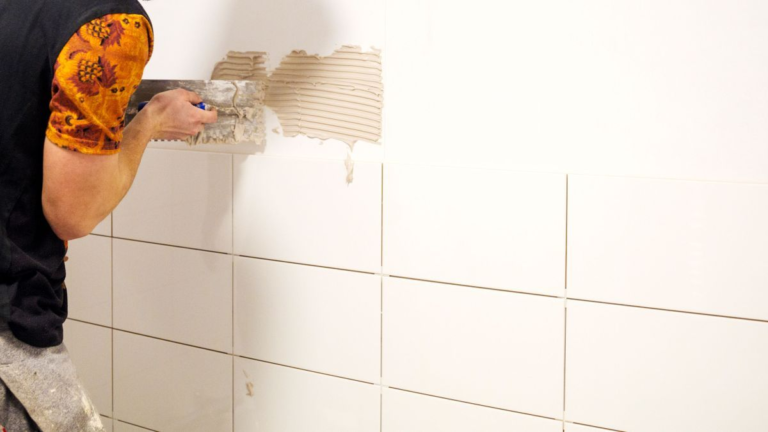
- Trowel Notch And Spreading Style: Notch choice and how you hold the trowel can change the amount laid down.
- Back-Buttering When Needed: Some installers prefer it for better contact, which can raise consumption.
- Corners, Edges, and Cut Zones: Finishing areas often take more time and more adhesive handling.
- Handling Loss: Mixing, shifting buckets, cleaning tools, and minor rework can add to usage.
The Core Formula to Estimate Adhesive
A simple formula keeps your calculation transparent, so you can sense-check it before ordering. It also helps you understand what a tile adhesive calculator is doing behind the scenes.
Adhesive Quantity = Tiled Area × Coverage Rate + Allowance
Here’s how to treat each part without overthinking it:
- Tiled Area: Use the net area that actually receives tile, not the full wall or floor size.
- Coverage Rate: Treat this as a variable that depends on adhesive type, notch choice, bed thickness, and method. Avoid assuming one fixed rate for every situation.
- Allowance: Keep a buffer for unevenness, detailing, and normal on-site wastage. The point is to reduce last-minute shortages, not chase a “perfect” theoretical figure.
Measuring The Tiling Area the Right Way
Most quantity errors start with measurement, not with adhesive. A neat measuring approach often saves more time than any last-minute adjustment.
- Measure the Net Surface: Calculate only the zones that will be tiled.
- Deduct Openings: Doors, windows, ventilation cut-outs, and permanent gaps should be removed from the total.
- Treat Breaks As Separate Sections: Niches, ledges, and stepped surfaces are easier to track when measured as individual parts.
- Stick To One Unit System: Keep the full workflow in the same unit set so you don’t introduce conversion mistakes.
- Recheck The Site, Not Just The Plan: On-site deviations are common, especially in renovations.
Using a Tile Adhesive Calculator Without Guesswork
A tile adhesive calculator can be helpful, but only if the inputs match your actual installation conditions. Think of it as a cross-check, not an automatic answer.
- Enter Area Carefully: Input the same net area you measured on site.
- Match Tile Details: Select tile size and type in a way that reflects what’s being installed, not what was originally planned.
- Account For The Surface Condition: If the base isn’t level, a calculator built around ideal assumptions may underestimate.
- Be Honest About Technique: If your method typically uses extra adhesive for better contact, allow for that in your working estimate.
- Sense-Check The Output: If the result feels too low or too high compared to your experience, revisit measurements and assumptions rather than tweaking the final number randomly.
- Plan for Pack-Based Ordering: Ordering usually happens in full packs, so round in a way that suits procurement and staging on site.
Ordering And Handling Considerations
Quantity is only half the planning; the rest is ensuring the material stays usable through the job. Small handling decisions can affect consumption and finish quality.
- Stage Material Near The Work Zone: Less movement can reduce spills and rushed mixing.
- Mix in Manageable Batches: Over-mixing may lead to material being discarded if it starts to stiffen before use.
- Keep Tools Consistent: Switching notch sizes mid-way can shift coverage and make the estimate drift.
- Maintain a Clean Working Edge: Adhesive left to skin over on the surface may lead to rework.
- Protect Fresh Work: Foot traffic and shifting materials across recently laid tiles can trigger adjustments and extra adhesive use.
Conclusion
If you want your tile job to move without last-minute stoppages, treat adhesive estimation like a small planning task with real payoff. Measure the net tiling area carefully, use a coverage rate that matches your tile size, notch, and method, and add a sensible allowance for unevenness and handling loss.
A calculator helps when your inputs are honest and site-based, not idealised. Just as planning matters for finishes like wall paint, the right adhesive estimate keeps installation work organised. Once the number looks right, round it to packs in a way that supports smooth staging and steady progress, so you stay ahead of shortages without over-ordering.
About the Author