Peepal Tree: India’s Sacred Fig and Why It Still Matters in 2026
Walk through almost any Indian village, temple courtyard or city crossroads, and chances are a broad, heart-leafed tree is standing guard somewhere nearby. That is the peepal, Ficus religiosa, and it has been part of daily life on the subcontinent for thousands of years.
A Tree Older Than Memory
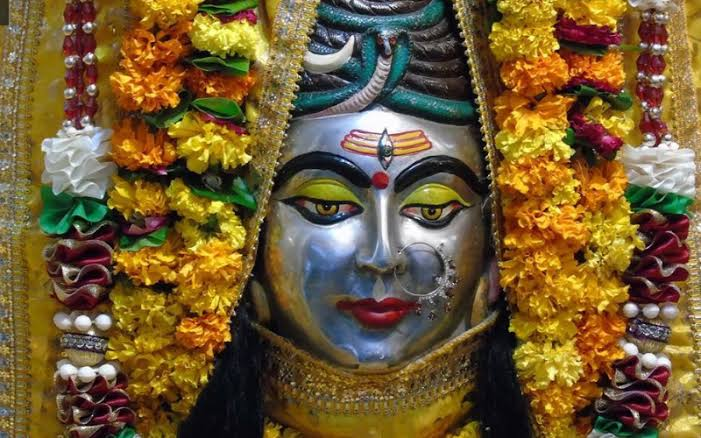
Few plants carry as much history. An ancient seal found at Mohenjo-daro shows a peepal, which suggests people in the Indus Valley already treated it as special. In Hindu tradition it is called the tree of creation, and many families still circle it, tie threads around its trunk and light lamps at its base.
For Buddhists, it is the Bodhi tree. Siddhartha Gautama is said to have sat beneath one in Bodhgaya, Bihar, and emerged as the Buddha. Pilgrims still travel there from across the world. They chant, walk slowly around the shrine and bow to the ground, and the atmosphere is hushed in a way that photographs rarely capture.
What Makes It Different
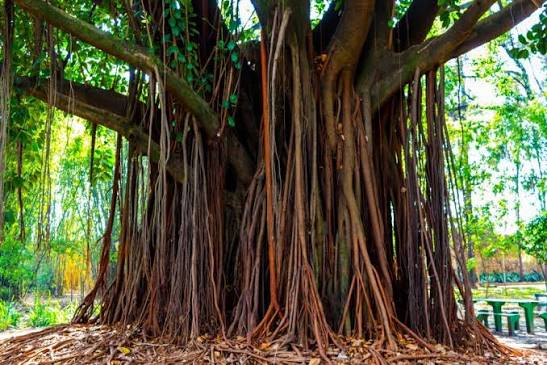
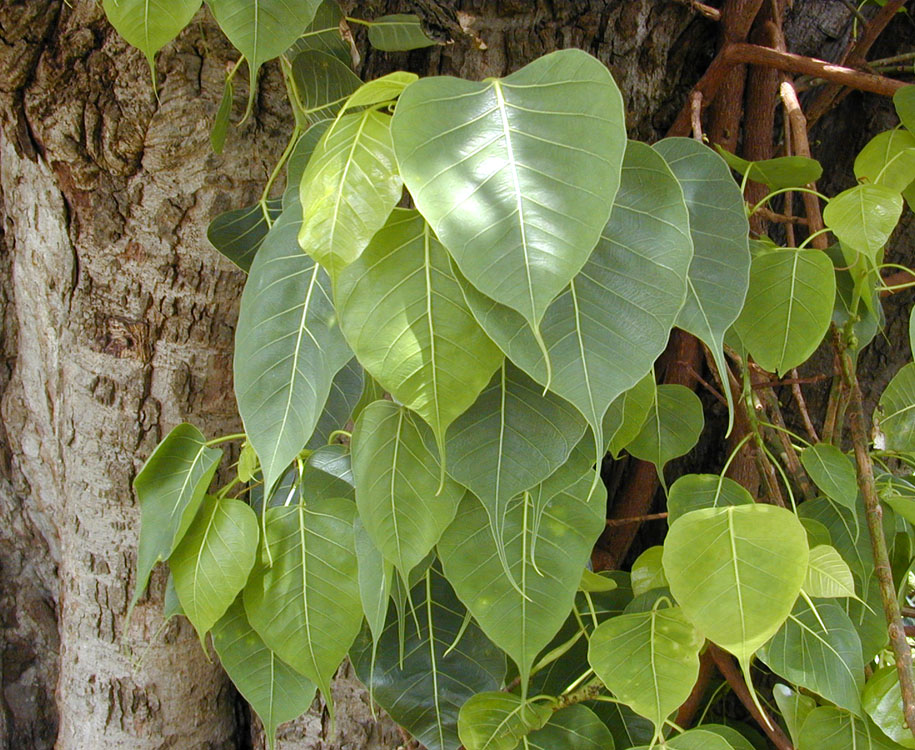
The peepal is a relative of the banyan, but it grows differently. It does not drop thick prop roots from its branches. Instead, it relies on one massive trunk and a wide, spreading crown. Its leaves are the giveaway: glossy, heart-shaped and tipped with a long, narrow point that lets rain slide off quickly. Even a faint breeze sets them trembling, which gives the whole tree a whispering sound.
It is also remarkably hardy. Peepals sprout from cracks in old walls, temple ruins and pavements, and some live for centuries.
Medicine, Shade and Fresh Air
Traditional Ayurvedic practice has long used peepal bark, leaves and fruit for skin problems, digestive troubles and breathing issues. Modern science has not confirmed every claim, so treat these uses with caution and speak to a doctor before trying any remedy.
What no one disputes is the shade. In India’s heat, a mature peepal can make a village square bearable. Its fruit feeds birds, bats and squirrels, so a single tree can support a small ecosystem.
Why 2026 Calls for a Second Look
Indian cities keep growing, and old trees are often the first casualties of road widening and construction. Cyclones, such as the one that tore through Chennai in December 2016, show how quickly a green canopy can disappear. In that storm’s aftermath, one detail stayed with a writer who walked through a battered park: a small Ganesha idol still sat beneath the thinned branches of the central peepal. The tree had been damaged, but it was still standing.
That image captures why conservation matters. Because the peepal is sacred, communities have traditionally protected it, and that habit is worth keeping alive. Planting native saplings, leaving mature trees alone and including old trees in city planning are practical steps anyone can support.
The Takeaway
The peepal is more than a religious symbol. It is shade, shelter, history and a living link to the past. This year, take a few minutes to sit under one if you can. You may find it has more to say than you expected.
About the Author