
Introduction
In today’s age, which sees people tied down to work, education, technology, and personal issues, we are seeing a great value put on peace of mind. Many people turn to spirituality to sort themselves out, develop positive practices and, as a whole, better understand what their lives mean to them. In this ever-changing world, one traditional element which still plays a role is Satsang. Out of Indian spiritual practices, Satsang remains relevant for many; it is a gathering to hear religious talk, to think on spiritual values, and to, in that company, grow closer to their faith.
In Sanskrit, the word Satsang is composed of sat, which means truth or goodness, and sanga, association or company. Thus, the term in general refers to the company of truth, that of the spiritually wise or people who have an interest in religious and moral growth.
The concept and tradition of Satsang.
Satsang is a practice which has played out over many generations in Indian religious and philosophical practices. Out of this, spiritual teachers, saints, and religious communities have put forth the idea for people to come together to discuss truth, devotion, morality, and the purpose of our lives. These assemblies took many forms in the Hindu tradition as well as other spiritual groups.
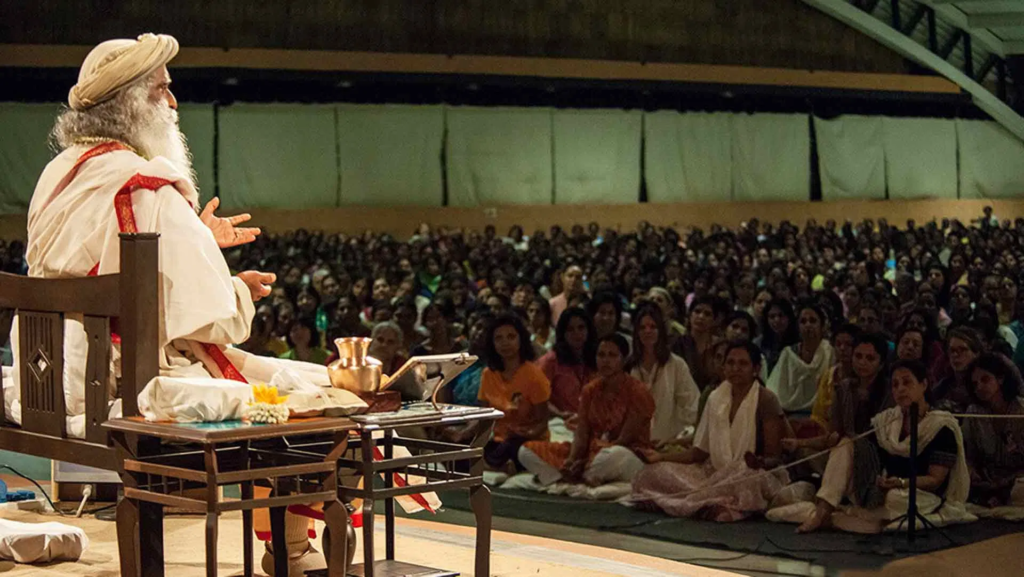
A Satsang is a gathering which may see devotional singing, prayer, meditation, study of holy books, in-depth spiritual talks, and people discussing their daily issues. Also, in some of our communities, we see members partake in charity and community service as they live out their religious values.
People come into it to grow, think about issues which bring us all forward, and to support each other in living a more purposeful life.
Role of Satsang in Religious Practice.
In Satsang, a major aim is to grow our faith. At times, religious teachings which we encounter via books or individual study may be hard to grasp. By listening to experienced teachers and discussing spiritual ideas with like-minded people, we make these teachings more understandable and applicable in our day-to-day lives.
Satsang also plays a role in moral growth. In its teachings of honesty, kindness, patience, forgiveness, and compassion, we see that religion goes beyond rituals and ceremonies. These principles are put into practice in the way people interact with their parents, friends, co-workers, and strangers.
Another key benefit is that it brings about a sense of belonging. In religious settings, people have a chance to meet like-minded individuals. This community also provides support during hard times and puts people in a less isolated setting. For the elderly, young adults, and families, such assemblies are also a supportive social setting.
Satsang and Mental Peace
In present times, we see that stress and competition are high and also that we are constantly bombarded with information. By 2026, digital communication will have made it easy to stay in touch with people but also may have made us feel distracted or overwhelmed. Satsang puts forth a chance to take a step back and put focus on spiritual reflection.
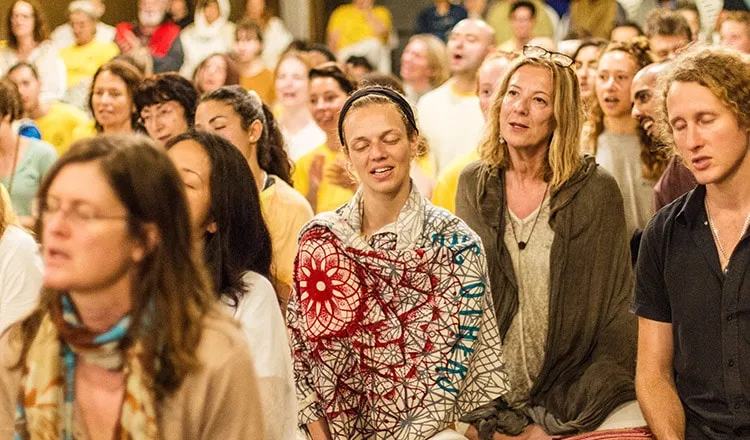
Prayer, devotional music, meditation, and reflective listening may bring about a sense of calm and focus in the participant. Also, the setting of a group event may prompt people to think about which issues they are reacting to, reevaluate what is truly important to them, and in turn tackle problems with more patience.
However, I would also say that Satsang is not a substitute for professional mental health care when one requires it. It does, however, provide spiritual comfort, community support, and in which a person may find peace.
In 2026, see also how:
Satsang is also transforming with the times. In the past, people met in temples, prayer rooms, ashrams, or at home. Now we see online sessions, live streams of discourses, and pre-recorded spiritual talks, which include those who are unable to be present in person due to distance or work.
These digital tools bring spiritual study to a wider audience, which includes students, working professionals, and those who live far from religious centers. At the same time, we see that in-person gatherings still play a key role in that they provide a great deal of face-to-face interaction, shared prayer, and community involvement.
Digital platforms are seeing an increase in use, which in turn puts forth the issue of how we approach spiritual content with care. We must see to it that as we participate in these platforms, we do our due diligence on the teachers we put our trust in, that we respect the traditions we put our support behind, and that we do not accept everything we see online without giving it thought.
Satsang in the fabric of daily life.
In truth, what is great about Satsang is that it is more than just a gathering; it is a living out of what you hear. One that attunes to compassion may put that out into the world by reaching out to the needy. One that meditates on honesty may see improved responsible decision-making in their professional and academic lives. Humility from what we study in Satsang may in turn foster in us the practice of truly hearing others out without bias.
In that which regards the practice of daily life, Satsang does that which connects the abstract tenets of religion with the concrete. It also brings to the attention of individuals that spiritual growth is a continuous journey which is put together through choice of action and relationship.
Conclusion
Encouraging the search for truth, growth of positive values, and living with great awareness.
In a world that is becoming more and more fast-paced, Satsang provides a chance to slow down, reflect on spiritual principles, and also learn from others. It’s in the value that it brings that we see the transformation of religious practice into kind, responsible action and peace in the day-to-day.
About the Author