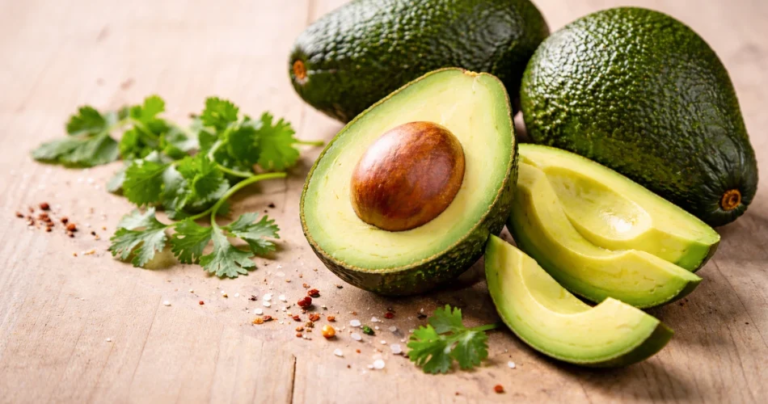
The Avocado Obsession Isn’t Slowing Down — Here’s Why
There’s a reason avocado toast became a whole cultural moment and never really left. This fruit — yes, it’s technically a fruit — has quietly become one of the most talked-about foods in modern nutrition. Not because of clever marketing, but because it genuinely earns its reputation.
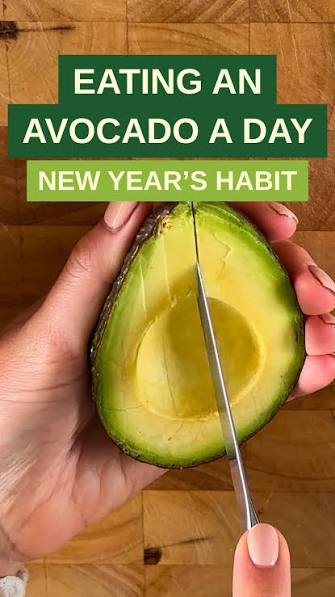
Where It All Started
Avocados trace back to south-central Mexico, where people have been growing and eating them for thousands of years. Botanically, they’re berries, believe it or not, and they belong to the same family as cinnamon and bay leaves. They need warm weather to thrive, which is why so much of the world’s supply still comes from tropical and subtropical regions. Long before Instagram made them famous, they were already a staple food for the people who first cultivated them.
Your Heart Will Thank You
Most of the fat in an avocado is monounsaturated — the “good” kind that actually helps lower bad cholesterol while giving the good cholesterol a boost. Pair that with a healthy amount of potassium, which helps keep blood pressure from creeping up, and you’ve got a fruit that’s doing real work for your cardiovascular system. It’s a far cry from the saturated fats packed into fried snacks and processed foods.
Digestion Gets an Easy Win
Fiber is where avocados really shine. Both the soluble and insoluble kind show up here, which means smoother digestion and a gut microbiome that’s a little happier. That fiber, combined with the fat content, also keeps you feeling full longer — so if weight management is on your radar, avocado isn’t a bad ally to have around.
Skin, Eyes, and Brain All Benefit
There’s a decent case that avocados are doing more for you than you’d expect. The antioxidants lutein and zeaxanthin are known to protect eye health, particularly against the kind of damage that comes with age. Vitamin E fights off skin damage from sun and pollution, and vitamin C helps your body produce collagen — the stuff that keeps skin looking firm. Even your brain gets something out of the deal, since the fats in avocado support blood flow, which plays a role in memory and focus.
It Helps You Absorb Other Nutrients Too
Here’s a detail people rarely mention: avocados actually help your body pull more nutrients out of the other food on your plate. Vitamins A, D, E, and K are fat-soluble, meaning they need fat to be absorbed properly. Toss some avocado into a salad, and you’re not just adding flavor — you’re helping your body use everything else on that plate more effectively.
A Word of Caution
None of this means unlimited avocado is a good idea. Some people, particularly those with latex allergies, can react to it. Eating too much can lead to bloating or an unnecessary calorie surplus, since avocados are fairly dense. And if you’re on blood thinners, it’s worth a quick chat with your doctor, since avocado can interact with certain medications.
Bottom Line
Avocados aren’t a trend that’s fading anytime soon. Heart health, gut health, skin, brain function — there’s a lot riding on one unassuming fruit. Eaten in moderation, it’s hard to find a more satisfying way to eat well.
About the Author