Why Cutting Out Junk Food Might Be the Best Decision You Make This Year
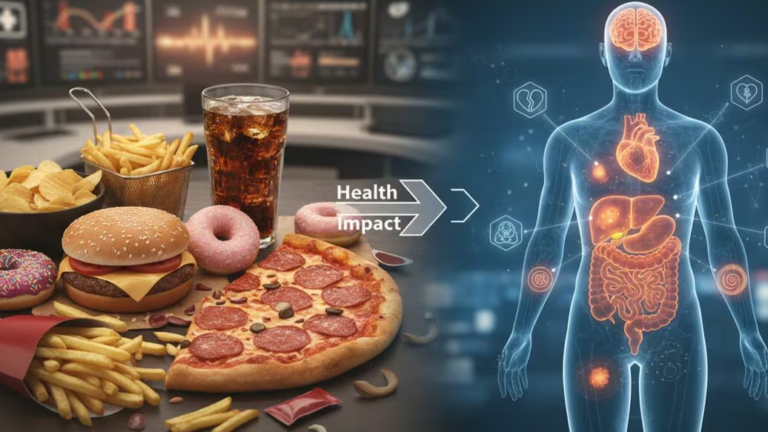
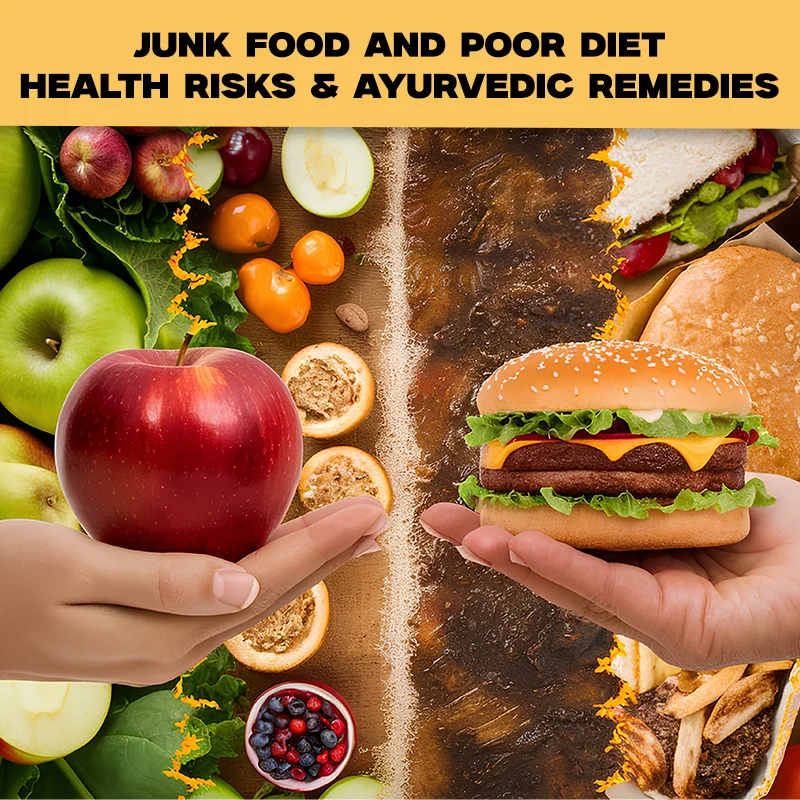
There’s a reason junk food is hard to quit — it’s engineered that way. Salt, sugar, and fat hit our brains in a way that fresh produce just doesn’t compete with. But once you look past the convenience, the case against processed snacks starts piling up fast, and it touches almost every part of how you feel day to day.
Where Did Junk Food Even Come From?
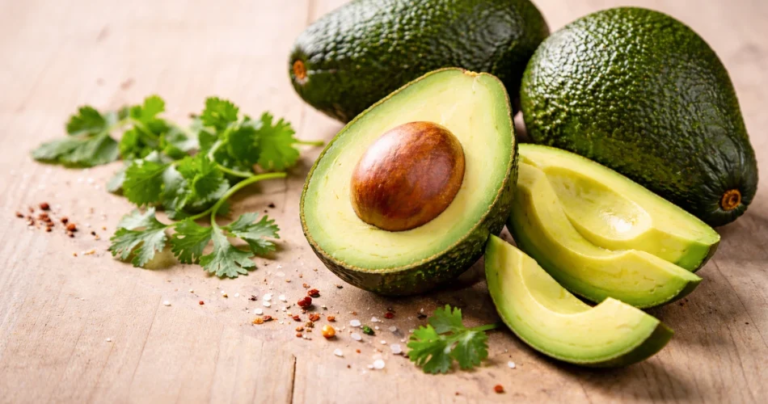
It’s worth remembering that junk food isn’t some timeless part of the human diet — it’s a fairly recent invention, born out of the industrial food boom of the 1900s when factories figured out how to make food cheap, shelf-stable, and addictive. Before that, most people ate whatever was fresh, local, and minimally processed, simply because that’s all there was. Ironically, a lot of what nutritionists now recommend is just… that. Real food. Nothing fancy.
What Actually Happens When You Cut It Out
Your gut probably notices first. Fiber-poor, chemical-heavy foods tend to leave people bloated or irregular, and once you start eating more whole grains, vegetables, and fruit, digestion often evens out within days.
Weight tends to follow next. Junk food is calorie-dense but doesn’t fill you up the way real food does, so people often eat more of it without realizing. Cut it, and portion control gets a lot less complicated.
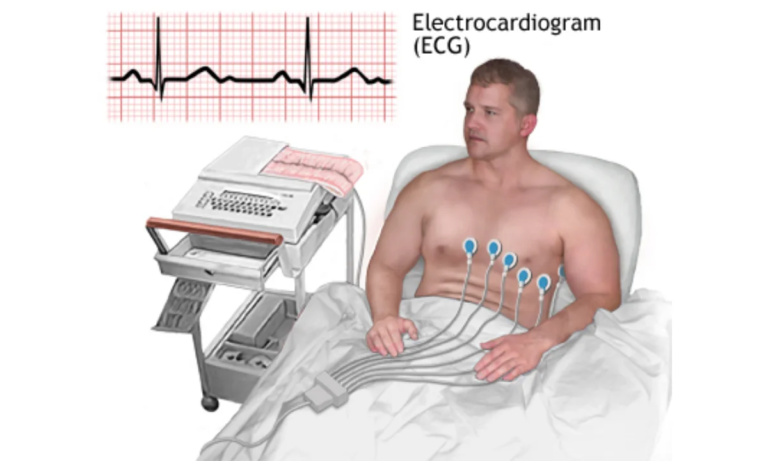
Then there’s the stuff you can’t see right away — blood sugar stabilizing, inflammation dropping, blood pressure easing off. These are the slow-burn wins that show up in bloodwork before they show up on a scale, and they’re a big part of why diets low in processed food are linked to lower rates of diabetes, heart disease, and hypertension.
Mood and focus shift too. Sugar crashes are real, and so is the fog that follows them. A lot of people who cut back on processed snacks report thinking more clearly and feeling less anxious — likely tied to steadier blood sugar and reduced brain inflammation.
Even skin and sleep get pulled into it. Chronic low-grade inflammation from a junk-heavy diet can show up as breakouts or dull skin, and heavy, sugary meals late in the day can mess with the hormones that help you fall asleep. Fix the diet, and both tend to improve.
And immunity — often overlooked — takes a hit from junk food too. A lot of processed items are missing key nutrients like vitamin C, vitamin D, and zinc, all of which your immune system leans on. Whole foods fill that gap back in.
You Don’t Have to Do It All at Once
Nobody needs to swear off junk food cold turkey to see benefits. Swapping one processed snack a day for something whole, planning meals so you’re not grabbing whatever’s fastest, and just paying a bit more attention to labels can go a long way. The changes add up quietly — better energy, steadier mood, fewer stomach issues — long before anyone notices a difference in the mirror.
The Takeaway
Skipping junk food isn’t really about restriction. It’s about giving your body food it can actually use. The payoff shows up almost everywhere — digestion, energy, mood, skin, sleep, heart health — and none of it requires perfection. Just a little more real food, a little less of the stuff built to be irresistible.
About the Author