If your doctor has just told you to get an ECG done, you’re probably wondering two things — is it serious, and how much is this going to cost me? The second one, at least, has a fairly simple answer, though it comes with a few “it depends” attached.
The Numbers, Roughly Speaking
Most people across India end up paying somewhere around 300 rupees for a basic ECG. That’s the national average, but it swings quite a bit depending on where you live. Head to a smaller city like Lucknow, Bhopal, or Coimbatore, and you’re looking at closer to 250 rupees. Walk into a hospital in Mumbai or Delhi, though, and that number can jump to 600 rupees or more. Same test, same machine essentially, just a different price because of where the hospital is located and what it costs them to run.
These numbers aren’t set in stone anywhere, so don’t be surprised if the receptionist quotes you something slightly different. Always ask before you sit down for the test.
Why Two Hospitals Can Charge Completely Different Prices
A private hospital in a posh part of town is naturally going to charge more than a government clinic or a smaller nursing home. That’s not really surprising. But there’s more to it than just “private vs government.” The doctor reading your ECG matters too — a senior cardiologist’s time costs more than a junior technician’s. The equipment being used, whether it’s brand new or a decade old, plays a role. And if you need this done urgently, say on a Sunday evening or as an emergency case, expect to pay a premium for that convenience.
Basically, the ECG itself is a small, quick test, but everything around it — the building, the staff, the timing — is what actually decides your bill.
Will Your Insurance Cover It?
Here’s the honest answer: maybe, maybe not. It really comes down to what your specific policy says. Some health insurance plans treat an ECG as a minor outpatient expense that’s covered without much fuss. Others might only cover it if it’s tied to a larger hospitalisation or treatment plan. There can be waiting periods, sub-limits, or exclusions buried in the paperwork that most people never bother reading until they need to file a claim.
Companies like ManipalCigna do offer plans where such diagnostic costs may be included, and if you’re at a network hospital, you might even get a cashless option. But that’s a big “might” — the safest thing to do is actually open your policy document and check, or just call customer support and ask directly. It takes five minutes and saves you a headache later.
A Bit of Practical Advice
Before you book the test, ask the hospital for a clear, written estimate — not just for the ECG but for anything else that might get added on, like a consultation fee. If the test isn’t urgent, it doesn’t hurt to check prices at a second hospital nearby; the difference can be surprisingly large even within the same neighbourhood. And if you’re already insured, keep your policy details on hand so you know whether you need to pay upfront and claim later, or whether you can go cashless straight away.
Getting Through the Test Itself
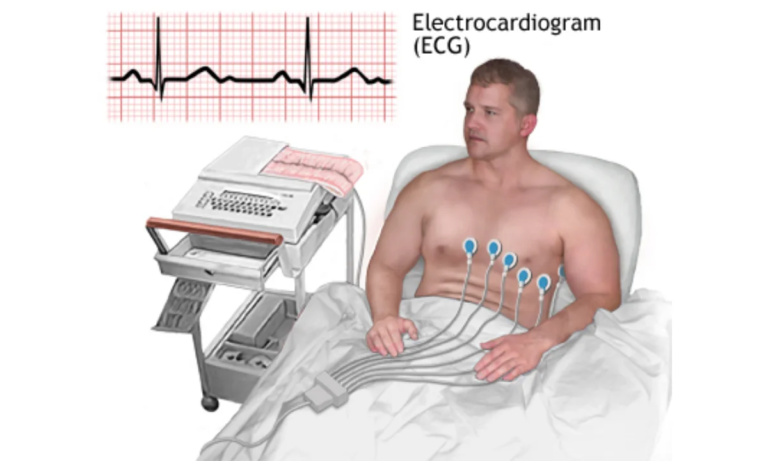
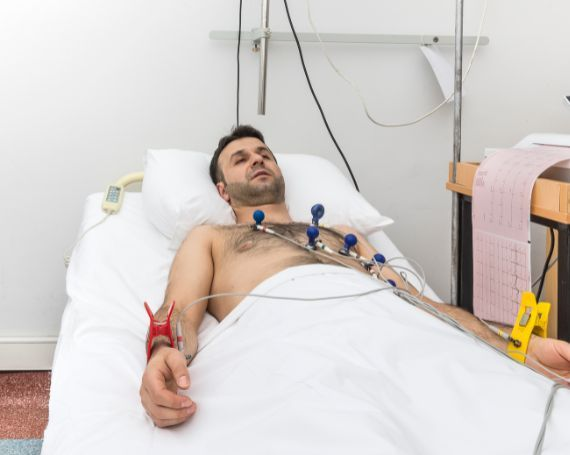
There’s really nothing dramatic about it. You’ll have a quick chat with the doctor or technician, they’ll stick a few small electrodes on your chest, arms, and legs, and the whole thing is over in a couple of minutes. Sometimes there’s a short wait afterward for the doctor to look over the results and tell you what’s next, if anything.
In the End
An ECG isn’t an expensive test by most standards, but costs do add up when you’re dealing with hospital visits regularly or managing a health condition long-term. Having the right insurance, and actually understanding what it covers, makes a real difference when these situations come up. It’s the kind of thing that’s much easier to sort out calmly in advance than to figure out while you’re sitting in a waiting room.
Costs mentioned here are approximate and can vary by city, hospital, and individual case. Please confirm actual pricing with your healthcare provider.
About the Author