
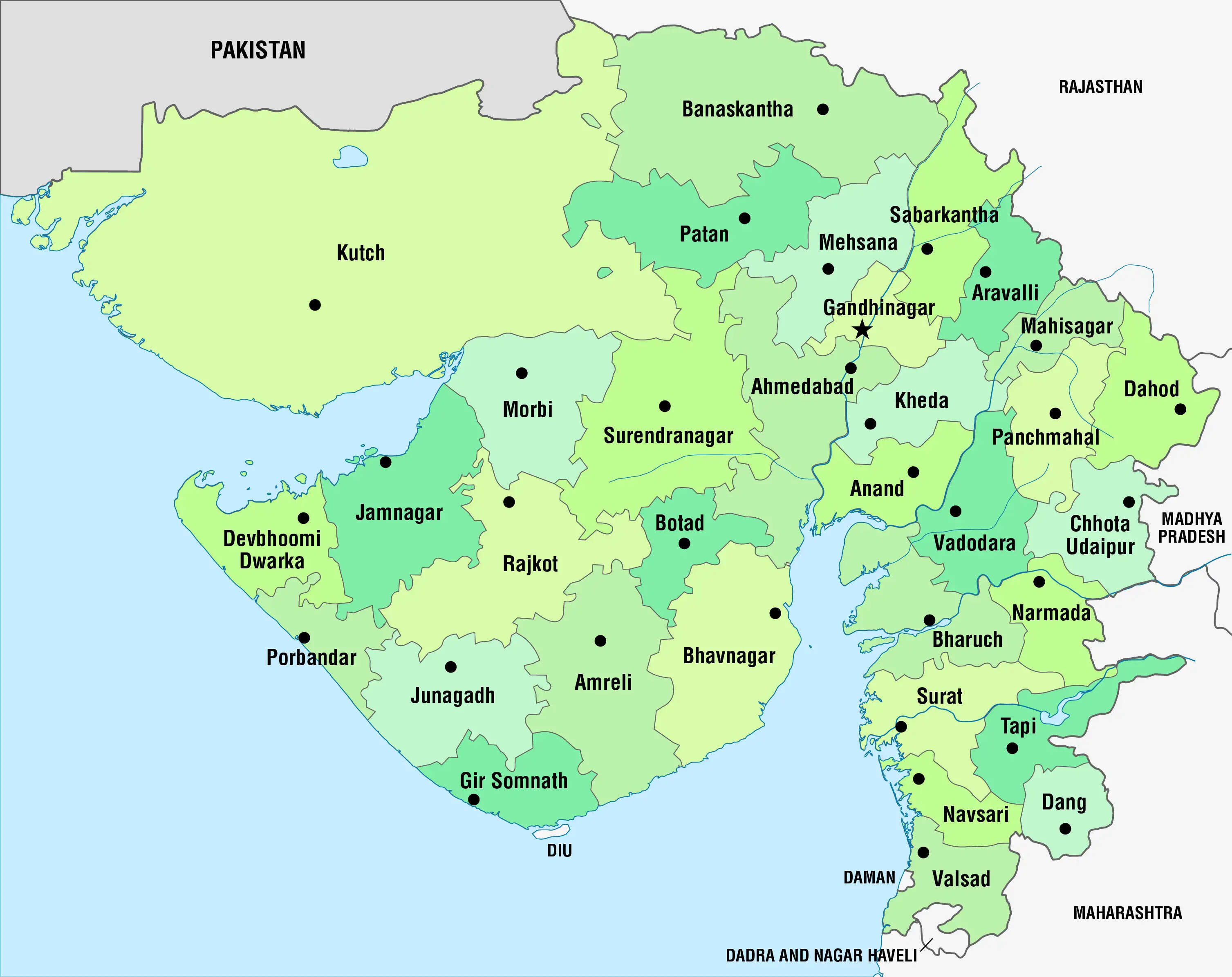
Gujarat, a vibrant and diverse state located on the western coast of India, is known for its rich cultural heritage, historical significance, and economic prowess. One of the key aspects that contribute to the efficient governance of the state is its administrative structure, organized into districts. In this article, we will delve into the question, “How many districts does Gujarat have?” and explore the significance of these administrative divisions.
Administrative Divisions in Gujarat:
As of my knowledge cutoff in January 2022, Gujarat is divided into a total of 33 districts. These districts play a crucial role in the governance and administration of the state, ensuring that policies and services are effectively delivered to the diverse population.
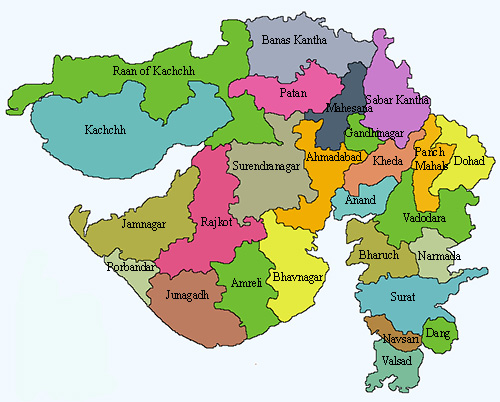
Significance of Districts:
-
Local Governance: Districts serve as the foundation for local governance, acting as a bridge between the state government and the grassroots level. Each district has its own administrative machinery responsible for implementing government schemes and policies.
-
Resource Allocation: The division of the state into districts helps in efficient resource allocation. It allows for a targeted approach to address the unique needs and challenges faced by different regions, considering factors such as geography, demographics, and socio-economic indicators.
-
Judicial Administration: Districts also play a crucial role in the judicial system. They serve as the jurisdictional units for district courts, ensuring access to justice for the residents within their boundaries.
-
Planning and Development: Districts are vital in the planning and development processes. Local authorities work on the ground to identify development priorities, implement infrastructure projects, and address specific challenges faced by the communities in their respective districts.
-
Election Administration: During elections, districts serve as the basis for constituency demarcation. This ensures a fair representation of the diverse population in the state legislative assembly and parliamentary constituencies.
Conclusion:
Understanding the administrative divisions of Gujarat is crucial for comprehending the state’s governance structure. With 33 districts, Gujarat has a well-organized administrative system that facilitates effective governance, resource management, and development planning. Each district contributes to the overall growth and prosperity of the state, reflecting the diversity and unity that define Gujarat’s identity. As the state continues to evolve, its district-level administration will play a pivotal role in shaping its future.
About the Author