

Zara, a part of the Inditex Group, which is a well-known player in the fashion world, we see them in their trend-setting clothing and also in their fast fashion model. Entering into a Zara franchise in India may present a great chance for entrepreneurs, but only if they do due diligence on the investment, profit structures, and royalty issues.
Understanding the Zara Franchise Model
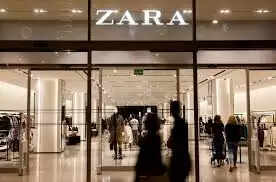
Unlike most franchise models, which are run by independent operators, Zara has a model of running mostly company-owned stores in foreign markets. In some regions, however, the company does enter into franchise agreements with experienced retail players. Prior to jumping into a franchise agreement, it is very important to research the eligibility requirements, the franchise agreement itself, and the location requirements. Zara’s preference is for large urban settings in high-traffic areas like shopping malls and commercial city streets.
Investment Required
Starting a Zara franchise is a large-scale investment. Though the exact numbers may fluctuate by store location and size, the average outlay is between 5 and 10 crore INR for a medium-sized store. This investment includes interior design, store fit-out, inventory, personnel, and initial marketing. Also, to that which is not included in the initial investment, entrepreneurs should expect to put in a good amount of operational costs, which include rent, utilities, and staff salaries.
Profit Potential
Zara has a fast fashion model that results in high inventory turnover, which in turn presents the chance of large profit margins. By location, footfall, and management efficiency, which may vary, a Zara franchise reports a revenue between 1 and 2 crore INR monthly. Once variable expenses are put out, the net profit margin tends to be in the range of 10% to 15%. Also, with its wide brand recognition, seasonal collections, and regular marketing promotions, Zara is a very attractive investment for the long term.
Royalty and Fees
Zara’s royalty fee structure is a percentage of each store’s monthly revenue. Although exact rates are put forth in the franchise agreement, royalty fees generally fall between 5% and 8%. Also, franchisees may point to a marketing fund for brand and seasonal campaigns.
Conclusion
Opening a Zara store to the public is a great business opportunity for people who have large sums of money to invest and experience in retail management. The key to success is careful planning, choice of prime locations, and adherence to Zara’s brand standards. Also, before you go ahead and whi, ch is at your own risk, go directly to the Zara corporate office to get the latest info on what they are looking for in terms of investments, profits, and royalty fees.
About the Author