How To Make the Best Tibetan Laphing in 2026.
Tibetan food, known for its one-of-a-kind flavors and comforting road nourishments, and laphing is one of the most adored among them. Prevalent over Tibet and broadly enjoyed in Northeast India, this cold noodle nibble has picked up a gigantic fan base in recent years. Laphing is regularly made from wheat starch and served with zesty sauces and fillings, making an ideal balance of tart, hot, and appetizing flavors. If you appreciate testing with road nourishment at home, this formula will offer assistance you plan authentic Tibetan laphing straightforwardly.
What Is Tibetan Laphing?
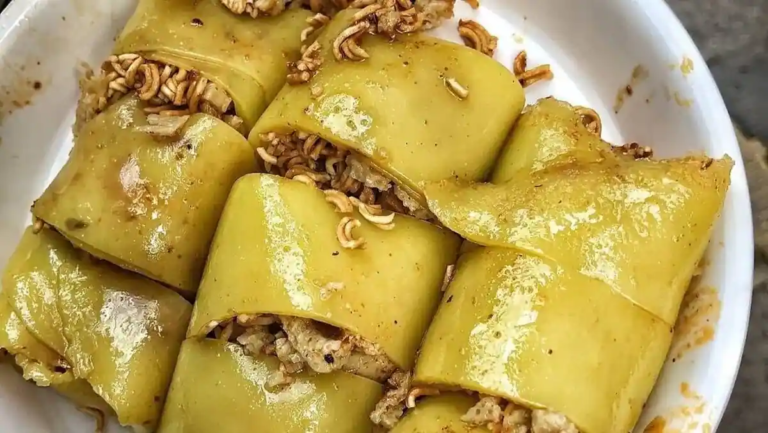
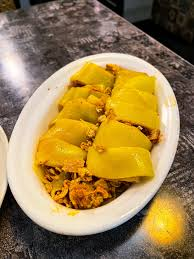
Laphing is a conventional cold noodle dish commonly sold by road merchants in Tibet and Himalayan locales. The noodles are made by isolating starch from wheat flour, which is at that point steamed to make lean sheets. These sheets are rolled with flavourful fillings like gluten bread, chili glue, soy sauce and vinegar. The dish is ordinarily cut into bite-sized pieces and served as a fiery snack.
Over time, numerous varieties of laphing have risen, making it a flexible and energizing dish to plan at home.
Ingredients Required
To make Tibetan laphing at home, assemble the following ingredients:-
Preparation Time: 2 hours
Cooking Time: 15 minutes
500 g all-purpose flour (maida)
1–2 liters of water
2 tbsp vinegar
2 tsp soy sauce
3 tsp ruddy chilli powder
½ tbsp Sichuan pepper powder
½ tbsp turmeric powder
½ tsp heating powder or yeast
4–5 garlic cloves (chopped)
100 ml cooking oil
Salt to taste
Ajinomoto (optional)
Step 1: Plan the Dough
Start by manipulating the all-purpose flour into a medium-soft batter. Cover it and permit it to rest for approximately 15–20 minutes.
Next, put the mixture in an expansive bowl and include water. Tenderly press and wash the mixture in the water until the starch isolates from the gluten. Expel the gluten and set aside the starch water. Let the starch blend rest for at least 2–3 hours, or overnight for best results.
Step 2: Make the Gluten Filling
Wash the isolated gluten altogether. Include preparing powder or yeast and blend well. Permit it to rest for around 5–10 minutes.
Flatten the gluten and steam it for 15–20 minutes until it gets feathery like bread. Once cooled, cut it into little pieces and keep them aside for filling.
Step 3: Plan the Chili Paste
To make the zesty sauce, blend chopped garlic, ruddy chilli powder, Sichuan pepper powder, salt, and a small amount of water to shape a thick glue. Warm the cooking oil and pour it into the blend. Mix well to make a wealthy and fragrant chili paste.
Step 4: Plan the Lapping Wrapper
Once the starch has settled, carefully deplete the abundant water. Include turmeric powder and salt in the starch arrangement and blend well.
Grease a level plate with oil and pour a lean layer of player over it. Steam the plate for almost 4–5 minutes until the sheet is cooked. Put the plate in cold water and delicately peel off the wrapper. Rehash the prepared batter with the remaining batter.
Step 5: Collect the Laphing.
Place a wrapper on a chopping board and spread the arranged chili glue over it. Include gluten pieces, soy sauce, vinegar, and salt to taste.
Popular Varieties of Laphing
Soup Laphing: Include cold water, chili glue, soy sauce, and vinegar in the cut rolls to make a reviving soupy version.
Wai Wai Laphing:- Sprinkle pulverized Wai Wai or moment noodles on the beaten egg for additional crunch and flavour.
Tips for Idealize Laphing.
Let the starch blend rest overnight for smoother wrappers.
Maintain the correct steaming temperature for delicate sheets.
Adding onions, tomatoes, or vegetables can upgrade the taste and nutrition.
Conclusion.
Tibetan laphing is a tasty road nibble that combines strong flavors and special surfaces. With basic fixings and a small persistence, you can reproduce this well-known Himalayan dish at home. Whether you appreciate it as a dry roll or in a hot soup frame, laphing is a cumulative treat for anybody who adores flavourful road nourishment.
About the Author