What is Primitive Subsistence Farming?
Definition
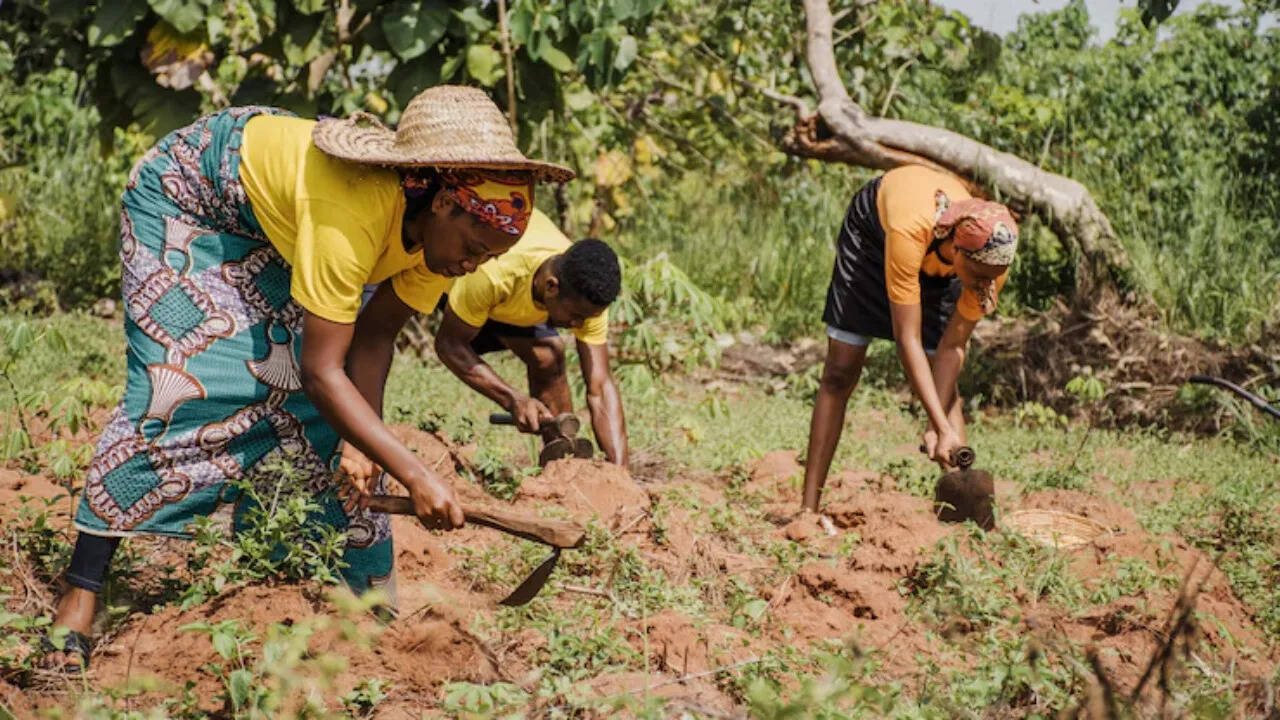
Primitive subsistence farming is an age-old system of agriculture practised by farmers cultivating small pieces of land with basic tools and methods to historize food mostly for consumption within their households. It is an agro-system that depends largely on the natural resources and indigenous knowledge with very little foreign assistance.
Key Characteristics
Manual Labor: The farmers usually work manually with simple implements such as hoes, digging sticks, or machetes.
Natural Fertility: They depend on the natural fertility of the soil without any chemical fertilizer.
Monsoon-Dependent: The seasonal rains provide water for irrigation.
Low Yields: In general, only enough food is grown to meet the needs of the actual growers and their families with a very little food surplus being sold.
Shifting Cultivation: When they feel that the soil losses its fertile capacity, then their use of the land ceases as they move on to clear a new area.
Types of Primitive Subsistence Agriculture
Shifting Cultivation (Slash-and-Burn Agriculture)
Clearing a patch of forest, burning the remaining vegetation so as to enrich the soil, and then sowing crops for a few years. Soon when the soil nutrients start depleting, they hit the road to a fresh patch, letting the old one regenerate.
Nomadic Animal Husbandry
This is mostly found in those arid places where herders move with their animals trying to get hold of grazing areas and water sources.
Worldwide and Indian Scenario

Worldwide, this practice is found in some places of Africa, Southeast Asia, and South America.. In India, it’s known by various names:
Jhum: Northeastern states like Assam and Nagaland.
Types of Primitive Subsistence Farming
Podu: Practiced in Andhra Pradesh and Odisha.
Bewar: Madhya Pradesh.
Challenges
Soil Depletion: The fertility of soil deteriorates because of the maintenance of continuous cultivation without any replenishment.
Deforestation: Clearing of forests for new fields is one other way of environmental degradation.
Low productivity relies on the fact that crops are grown without an adequate implementation of modern techniques, which in itself can be an explanation for low crop yields.
Conclusion
Whereas primitive subsistence farming has sustained human societies for centuries, current environmental concerns and population pressures threaten its sustainability. It is time that more sustainable modes of agriculture have to be adapted for ensuring food for all.
About the Author