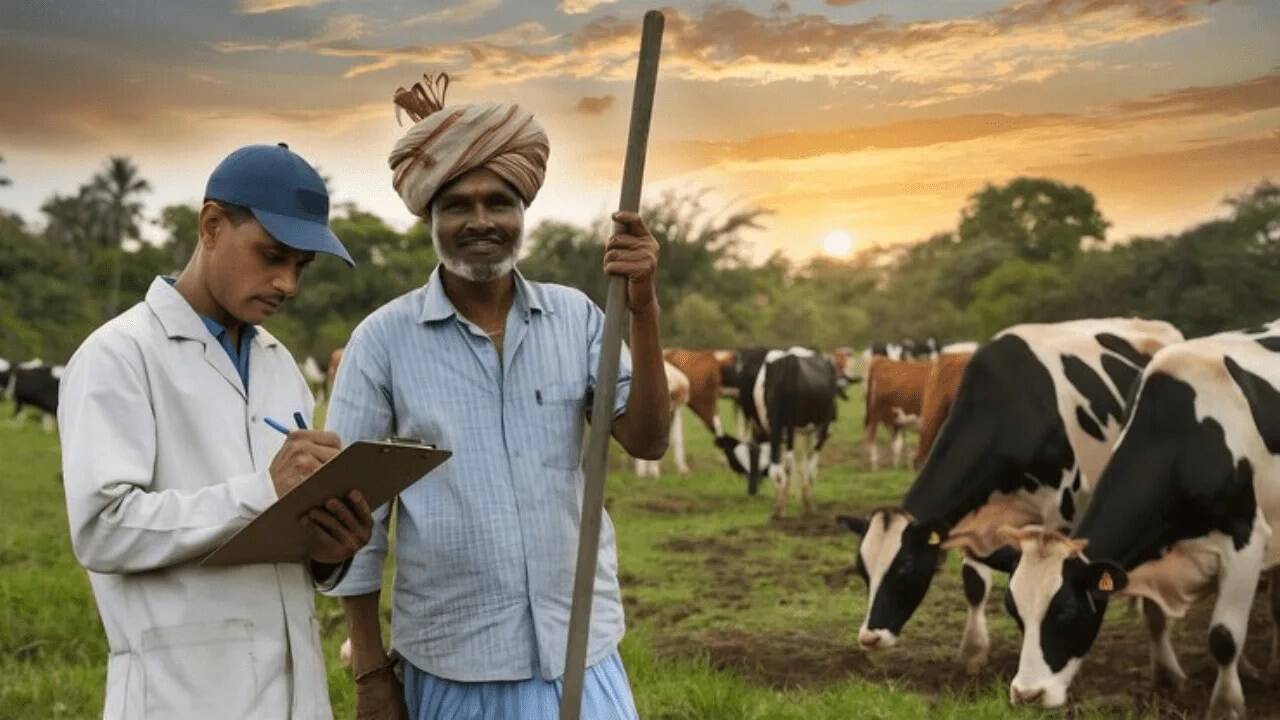
Commercial farming refers to large-scale farming where crops and animals are produced to be sold and not used by the farmer. It employs modern technology, machines, better seeds, and fertilizers to generate more productivity and profits.
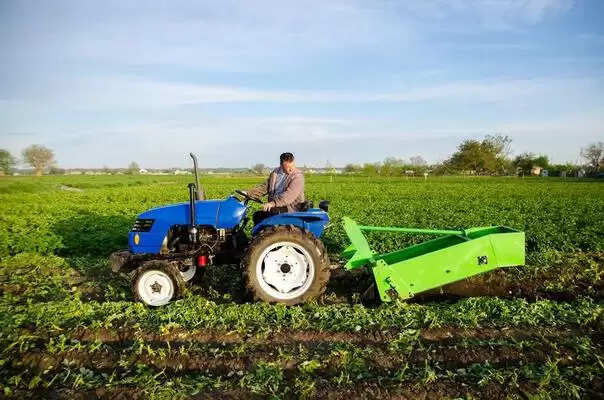
Commercial Farming in India
India has a number of commercial agricultural systems, including cash crop farming (cotton, sugarcane, oilseeds), plantation farming (tea, coffee, rubber), horticulture (fruits, vegetables, flowers), livestock farming (dairy, poultry), and mixed or contract farming, which connects farmers to companies.
Benefits of Commercial Farming
Commercial agriculture enhances production and revenue through the use of modernized machinery and improved inputs. It is generating jobs, increasing exports, and promoting rural development. It also supports the use of technology such as AI and precision farming to manage resources effectively.
Problems of Commercial Farming.
Scalability is impacted by high investment requirements, fragmented land, and low irrigation. Farmers are exposed to fluctuation of prices, unavailability of credit, and limited knowledge of new practices. Environmental challenges such as soil erosion and water shortage are becoming areas of concern.
Trends in 2025
India is an emerging market of AI, drones, and smart irrigation to monitor and predict yield in 2025. Government programs encourage the use of sustainable activities, crop climate-resistance, and enhanced infrastructure facilities such as storage and cold chains.
Conclusion
The future of commercial farming in 2025 is crucial because it will provide the country with improved productivity and competitiveness in the global market. India needs to address land, finance, and climate challenges and support green and technology-oriented solutions to remain on track.
About the Author