How to Start a Pani Puri Business in India
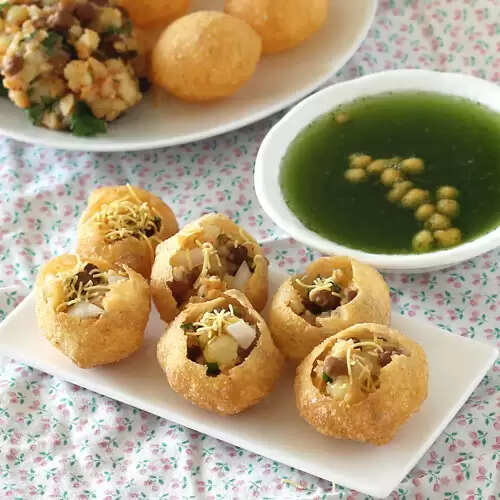
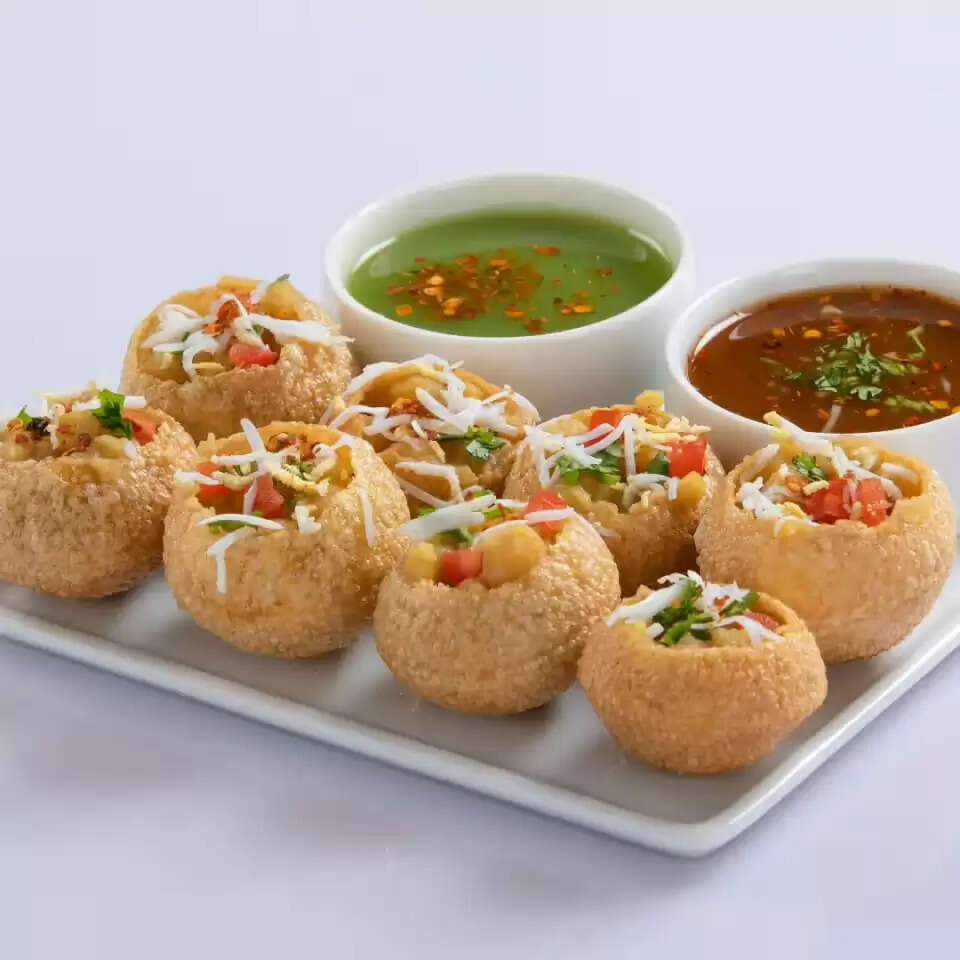
Pani Puri—or Golgappa or Phuchka—is one of India’s most recognisable and established types of street food. People love the spiciness, tanginess, and sweetness, and it continues to be popular across the country. It is an exciting opportunity for an entrepreneur as it has a low total investment, always has considerable demand, and provides for a very high profit margin.
Reasons to Start a Pani Puri Business
Low set-up cost: You can simply use a cart or a stall.
Large market: Both young and old people enjoy this quick and easy, low-cost snack.
Easily expandable model. Simply start with a cart, and then consider expanding into a restaurant or franchise.
Higher margins. This will have low raw material costs, which means higher margins.
Steps to Start a Pani Puri Business
1. Identify the Target Customer
Generally, your best bet is to identify a high footfall area, like college areas, office or business areas, marketplaces, parks, and densely populated residential areas. Selecting a high footfall area would see consistent or steady walking customers to your cart.
2. Figure Out the Start Up Cost
Industry-wide, a food cart typically has a total start cost of between ₹25,000 and ₹50,000. Start-up costs can be in the form of capital investment, which typically includes the following costs:
– Food cart/stall: ₹10,000 – ₹20,000
– Raw materials: ₹5,000 – ₹10,000
– Utensils and containers: ₹2,000 – ₹5,000
– Licenses and permits: ₹2,000 – ₹5,000
– Packaging and Marketing: ₹5,000 – ₹10,000
3. Licenses to Obtain
FSSAI License – If you are a small vendor, it only costs ₹100 a year for a license.
Shop & Establishment License – If you have a fixed stall/shop.
GST Registration – Only if turnover is more than ₹20 lakhs/year.
4. Select the Appropriate Location
You want to be in a busy location with a lot of footfall – usually markets, malls, food courts, or very close to schools/colleges. A mobile cart near a park is also often lucrative.
5. Equipment & Raw Materials
You will need a few basics:
– Cart or stall
– Stainless steel/plastic containers for puris, chutneys, potatoes
– Utensils (yes, utensils) – e.g. knives, spoons, plates
– Raw materials – puris, potatoes, chickpeas, tamarind, spices, etc.
6. Add More to Your Menu
You need to do more than just plain old Pani Puri:
– Dahi Puri (stuffed with the curd)
– Sev Puri (crunchy, tangy)
– Flavoured Waters (minty, spicy, tangy, sweet)
Promoting Your Business
Social Media: Make sure to post reels and pictures on Instagram and/or Facebook
Loyalty Promotion: “Buy 5 plates, get 1 free” encourages people to keep coming to your restaurant.
Flyers & Posters: To create buzz in your community.
Word of Mouth: Being consistent with your flavour and hygiene will naturally attract customers.
Profitable Opportunity
A plate of Pani Puri costs around ₹8–10 to make, which can sell for ₹20–45. When you multiply that by 100 plates a day, you’ll see you’ll earn ₹30,000-₹60,000 a month.
Larger Entities
If you do not want to open your own Pani Puri business, a franchise of Pani Puri businesses could be an option for you. FranchiseBhoomi is one example that allows you to connect with reputable brands of Pani Puri and provides you with the menu, training, and marketing support.
Conclusion:
Starting a Pani Puri business in India is a low-investment, high-profit business. If you open your Pani Puri business in the right circumstances with quality Pani Puri, you can promote your business accordingly; you’ll be on your way to starting your own business selling delicious street food.
About the Author