When you are in your 20s, it can be challenging to build financial stability, but it is also the perfect time to create healthy money habits. Lenders, landlords, and even some employers look at your credit history to gauge responsibility.
A strong credit score can open doors to better opportunities, lower interest rates, and greater financial freedom. It is not about making big moves overnight. Instead, it comes from consistent, smart decisions with money.
If you are wondering how to build a credit score, the process starts with small steps that add up over time, helping you secure future loans with confidence.
This blog explains how young adults can start building a strong credit score early, with strategies like responsible credit card use and timely repayments.
What is a Credit Score and Why Does It Matter
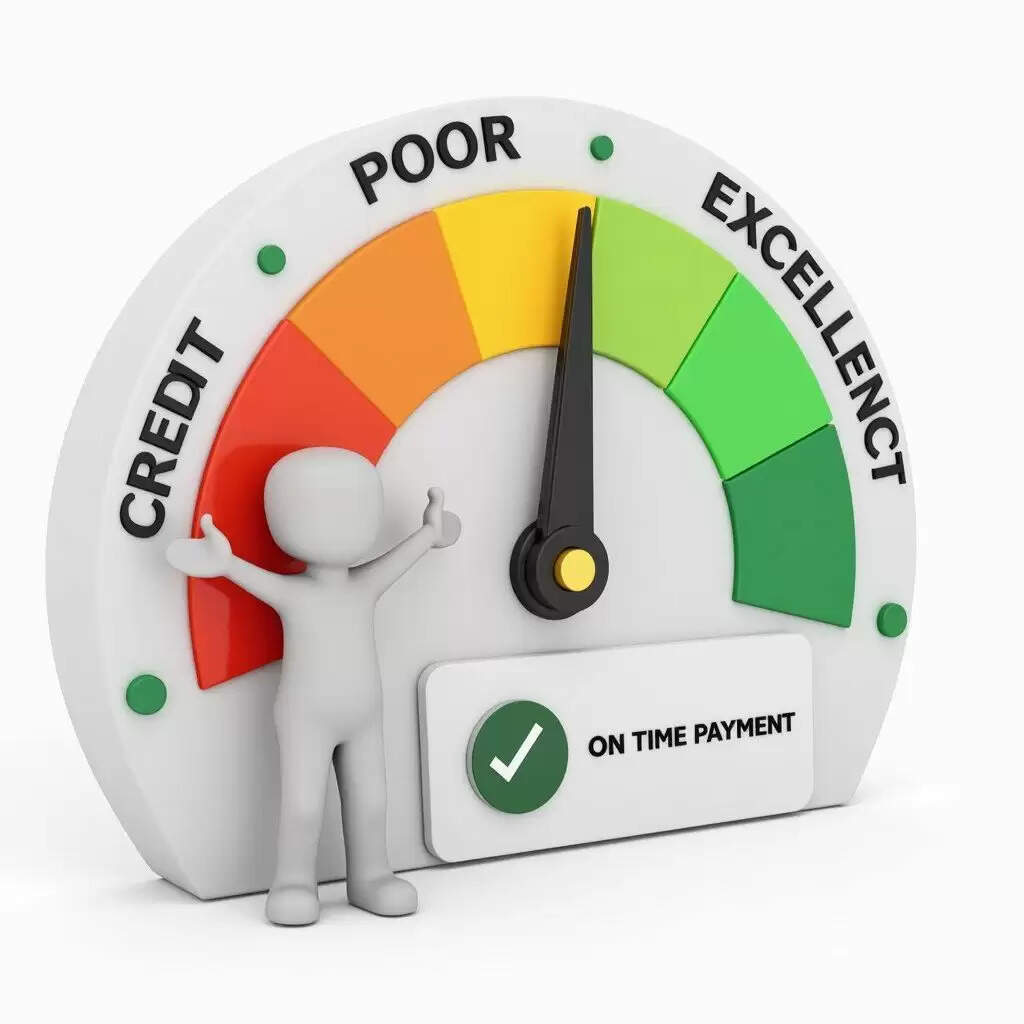
A credit score is a number that shows how well you manage borrowed money. It works like a financial report card and usually ranges from 300 to 850. Lenders use it to decide if you qualify for loans or credit cards and what terms you will get.
If you are learning how to build a credit score, aiming for a number above 700 should be your goal. A score in this range shows that you pay bills on time and handle credit responsibly. With a strong score, you are more likely to get approved for loans with lower interest rates and flexible terms.
It can also make renting an apartment or even applying for certain jobs easier. Consistent habits will help you increase your credit score and keep it above 700, opening the door to more financial opportunities and long-term savings.
Steps to Build a Strong Credit Score in Your 20s
Building credit early requires steady habits and smart financial choices. Here are the key steps you can follow to start and grow your score:
Step 1: Start with a Credit Card
If you are wondering how to build a credit score, a credit card is the best place to start. Apply for a beginner-friendly option, such as a secured card or a student card. With a secured card, you place a deposit that becomes your credit limit.
Smart card use and clearing the balance every month prove to lenders that you can manage credit responsibly. This is one of the quickest ways to establish credit and increase your credit score.
Step 2: Pay Bills on Time
Payment history is the most important factor in how to build a credit score. Even one missed payment can hurt your profile. Loans with tenures of 2 to 60 months require steady repayment, so setting reminders or auto-pay is smart.
On-time payments for credit cards, rent, or student loans can help increase your credit score and build trust with lenders.
Step 3: Keep Credit Utilization Low
Another key part of how to build a credit score is keeping your credit use under control. Credit utilization refers to how much of your available credit you are using at a given time. Using too much can make you look dependent on credit, while keeping it low shows that you can manage money responsibly. Staying within a safe limit helps protect your profile and gradually increase your credit score.
Step 4: Avoid Too Many Applications
Every time you apply for a credit card or loan, a hard inquiry is added to your report. Too many applications in a short span can make you look risky. To focus on how to build a credit score effectively, apply only when necessary, and manage one or two accounts well. This prevents unnecessary drops in your score while creating a solid history.
Step 5: Keep Accounts Open
Credit history length plays a big role when you want to increase your credit score. The longer your accounts stay open, the stronger your profile looks. Do not close your first credit card too quickly, even if you don’t use it often.
Instead, look for no-annual-fee cards you can keep long term. This simple habit is an important part of how to build a credit score that lasts.
Step 6: Monitor Your Credit Report
Checking your credit report ensures that your score reflects accurate information. Errors, like an incorrect late payment, can bring your score down. You are entitled to a free report from Equifax, Experian, and TransUnion every year.
Reviewing them regularly helps you spot mistakes and dispute them quickly. Staying proactive is a reliable way to protect and increase your credit score.
Step 7: Mix Different Types of Credit
If you want to learn how to build a credit score that lenders trust, focus on diversity. Having several different kinds of credit accounts shows that you are capable of managing multiple types of borrowing responsibly.
That does not mean you should take on unnecessary debt. Only borrow what you can afford. Over time, this variety strengthens your profile and helps increase your credit score.
Start Early, Build Credit, and Unlock Opportunities
Establishing good credit during your 20s lays the foundation for future financial success. It doesn’t happen overnight, but steady habits like paying on time, keeping credit usage low, and monitoring your reports will pay off in the long run. A score above 700 not only saves you money through lower interest rates but also gives you access to more financial opportunities.
When you are ready for future loans, having a healthy score means smoother approvals and better terms. Online platforms, such as Olyv, now offer quick and flexible options for young borrowers with strong credit profiles. By starting early and following the right steps, you set yourself up for financial freedom and confidence in the years ahead.
About the Author