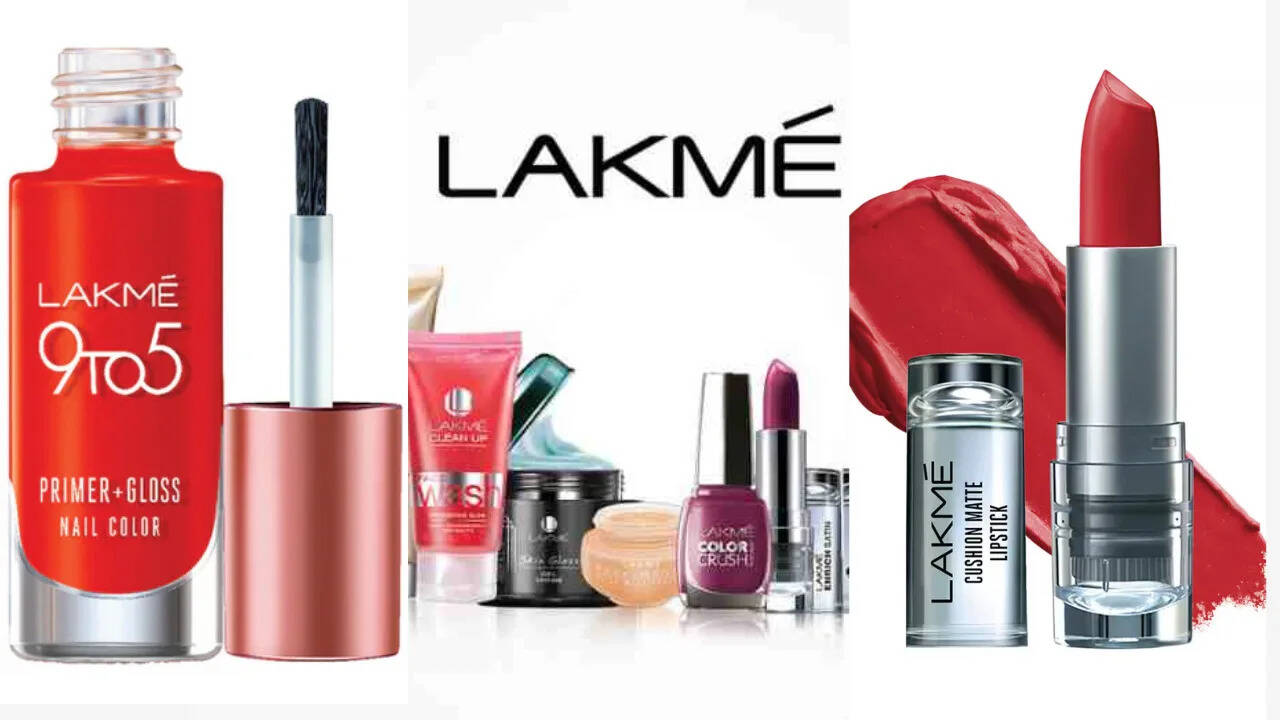
The story of Lakmé is not merely a story of cosmetics; it is a story of vision, creativity and empowerment. At the heart of that story is Simone Naval Tata, a Swiss entrepreneur who revolutionized Indian beauty and created one of the most distinctive brands in India.

The Genesis of Lakmé
In the early 1950s, India did not have a reliable domestic cosmetic brand. Women were heavily reliant on high-priced substitutes from abroad, which were ill-suited for Indian skin and climate. With the situation in mind, Prime Minister Jawaharlal Nehru urged the Tata Group to do it as a viable alternative to the high-priced British products on the Indian market. So, in 1952, Lakmé was born and established as a subsidiary of Tata Oil Mills.
Simone Tata joined in 1961 and brought modern management, as well as a deep understanding of the needs of women. Under her management, Lakmé became a beauty, fashion, and empowerment.
Commercial logo and growth:
Simone Tata became Chairperson in 1973 and took Lakmé, and steered the company through decades of change. The three pillars the brand was built were innovation, accessibility, and inclusivity. Lakmé had a specific focus on the needs of Indian skin tones and types, providing some of the first recognizably Indian products, including revolutionary products like Lakmé lipstick, kajal, and compact powder. Lakmé attracted the growing middle class of India with high-quality products at the right price.
Lakmé developed an equally robust marketing strategy from glamorous adverts on TV to partnerships with celebrities at the time, which gave Lakmé an aspirational quality while maintaining relatability among consumers. It is capable of being launched from the metro city to towns, and Lakmé soon established itself at the forefront of beauty and has since become the most trusted cosmetics brand in India.
Leadership & Legacy:
Simone Tata’s leadership style was both empathetic and exact. Simone is a firm believer in women’s empowerment, diversity in teams, and an active desire to push the envelope and innovate. Simone was clear about the way forward, but Lakmé was local production and building to innovate.
In 1996, the Tata Group sold Lakmé to Hindustan Unilever Limited (HUL), and Lakmé’s brand legacy continued. Today, Lakmé owns over 500 salons and thousands of retail points, and is a continuing leader in the beauty industry in India.
The Story of a Pathmaker
Simone Tata later worked as a Director at Tata Industries, where she guided future leaders in the business world. Her story is a story of tenacity and foresight – suggesting that if you have enough desire and guts to act, you can change an industry.
Lakmé’s legacy is still proof of how a woman from a small village transformed her idea into a global beauty brand in India.
About the Author