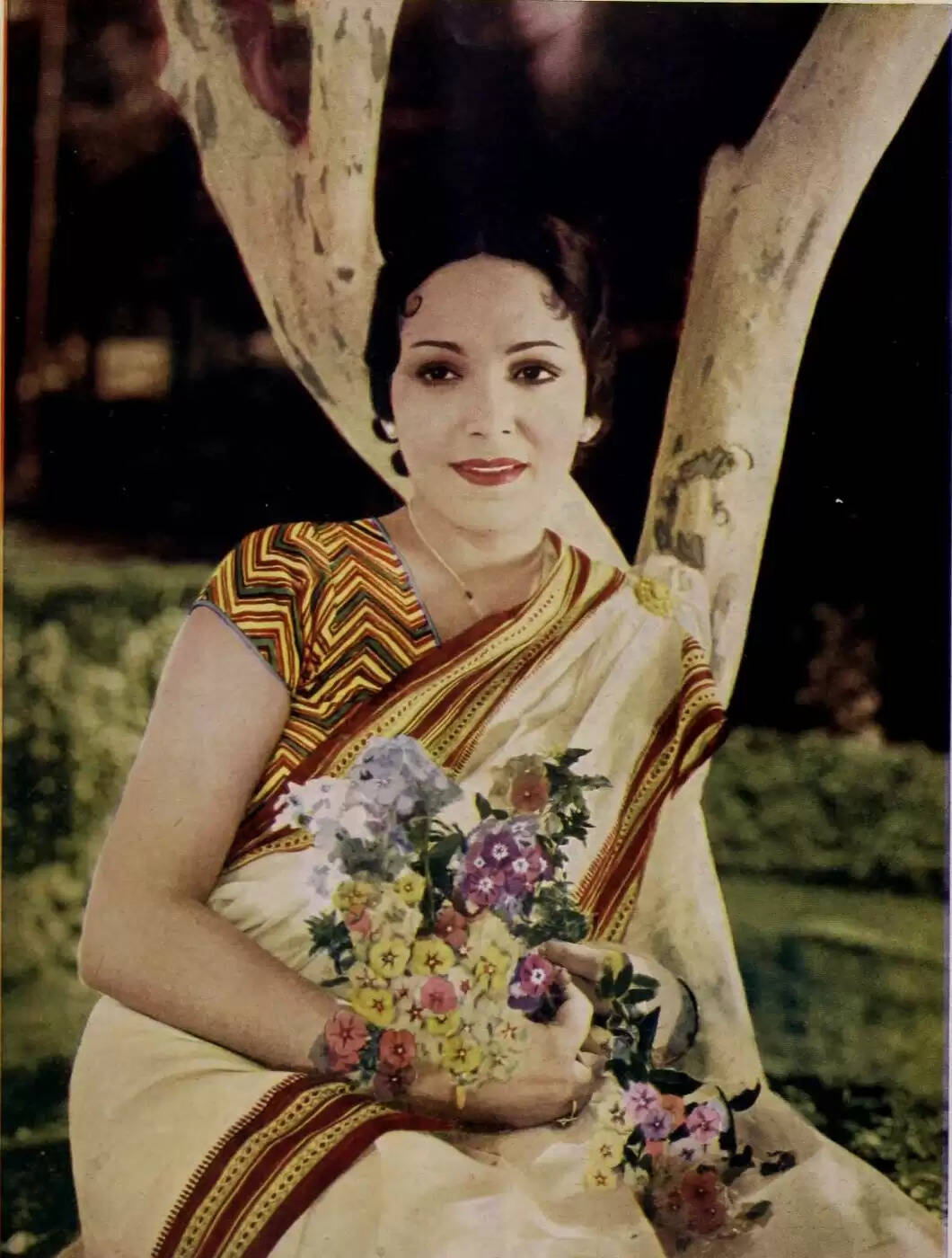
Devika Rani (1908–1994) was an Indian film actress and producer who could be best characterized as the “First Lady of Indian Cinema.” She has her origins deep in the early years of Indian cinema, especially about her connection with Bombay Talkies, which she co-established in 1934.
Early Life and Education
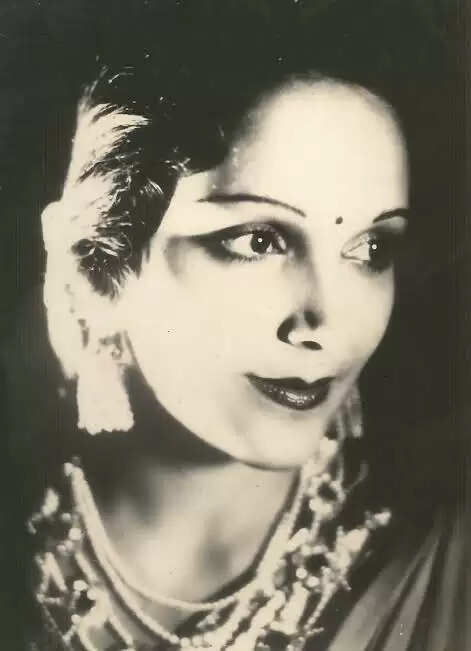
Born on March 30th, 1908, at Waltair (Visakhapatnam), Andhra Pradesh, Devika Rani was a member of a successful Bengali family with deep roots in the Tagore tradition. She was the daughter of Colonel Manmatha Nath Chaudhuri, the first Indian Surgeon-General of the Madras Presidency. She was boarded at school in England at the tender age of nine years old and graduated both from the Royal Academy of Dramatic Art as well as from the Royal Academy of Music. She also got trained in architecture, and even apprenticed under Elizabeth Arden. Career in Cinema
Devika Rani began acting in the year 1928 despite meeting Indian director Himanshu Rai in London for the very first time. She contributed her costumes and art direction to his film, “A Throw of Dice”. He was impressed by her skills so much that he gave her a heroine role in Karma (1933), India’s first English language talkie. The talkie consisted of a record four-minute kiss and raised Devika Rani’s fame beyond India.
Devika Rani and Himanshu Rai established Bombay Talkies, the first commercially successful Indian film studio, in 1934. Devika Rani appeared in some socially oriented films such as Achhut Kanya (1936), where she depicts a lower caste woman who marries a Brahmin man amidst the strong system of castes.
On the death of Himanshu Rai in 1940, Devika Rani ran Bombay Talkies. The company was in financial trouble, and she retired as an actress in 1945. She got married to Russian artist Svetoslav Roerich, son of renowned artist Nicholas Roerich, in 1945. She settled in Bangalore and lived a secluded life.
Devaki Rani succumbed to bronchitis on 9 March 1994. She was cremated with full state honors. Her property was brought under the control of the Government of Karnataka after she had instituted legal proceedings.
Legacy
Devika Rani had received numerous awards, besides the Padma Shri in 1958 and the Dadasaheb Phalke Award in 1969. Devika Rani is believed to have defined heroic feminine roles for women like her so replete with dynamism and entrenched Bombay Talkies firmly in Indian cinema tradition.
The Longest Kiss: The Life and Times of Devika Rani was written by Kishwar Desai in 2020, chronicling her career and personal life.
Wikipedia
Devika Rani’s career and life remain an inspiration to directors and actors, and she remains a trendsetter in the Indian film industry.
About the Author