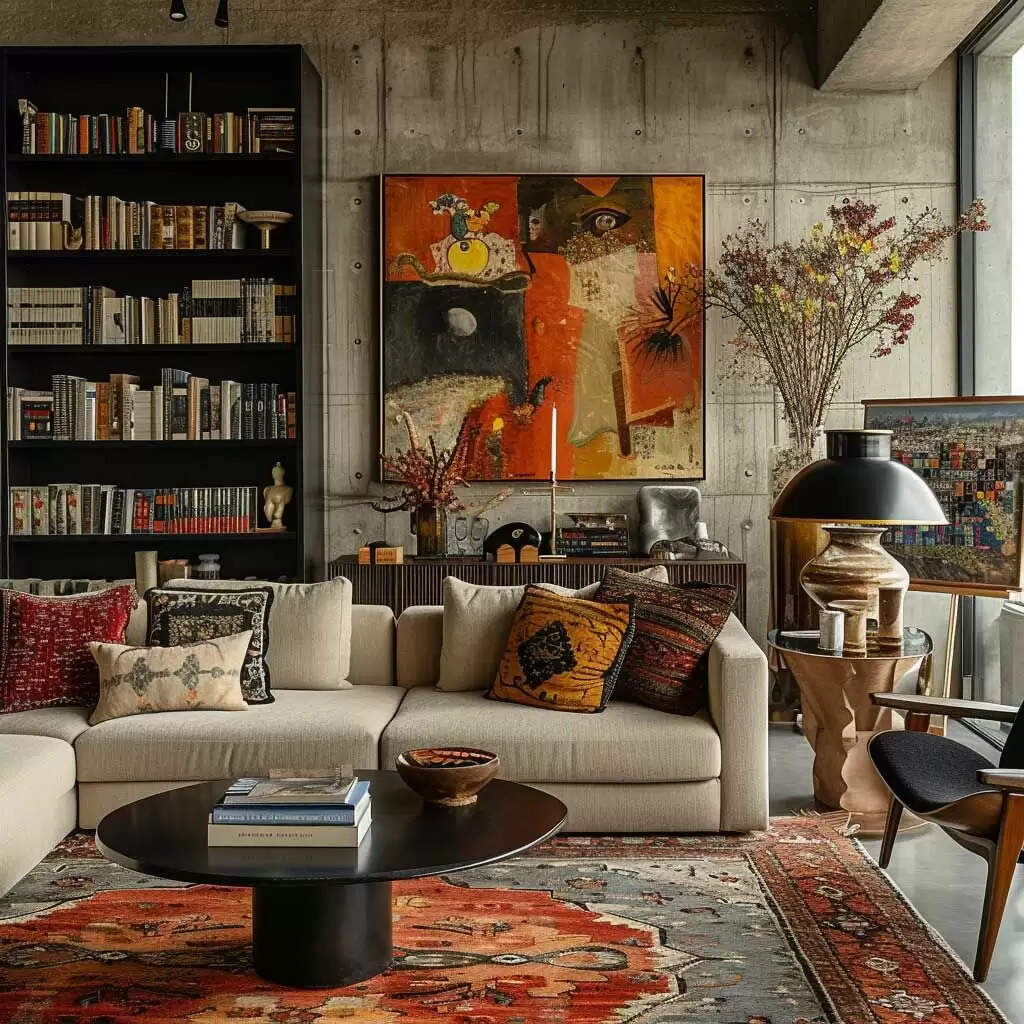
Blending vintage and modern design is one of the most effective ways to create a home that feels personal, layered, and genuinely timeless. When done well, the contrast between old and new brings warmth to contemporary spaces and freshness to heritage-inspired interiors—resulting in rooms that feel curated rather than styled.
Designers at FURNISHD Studio often emphasise that the key to successful mixing isn’t following rigid rules, but understanding balance, proportion, and storytelling. Here’s how to thoughtfully combine vintage and modern pieces to achieve a truly one-of-a-kind look.
Start with a Clear Foundation
Before introducing contrasting styles, decide on your dominant design direction. This acts as your anchor.
- A modern foundation (clean lines, neutral palette) allows vintage pieces to shine as statement accents.
- A vintage or character-filled base benefits from modern elements that add clarity and restraint.
Walls, flooring, and large furniture items typically set this foundation. Once these are established, layering becomes far more intuitive.
Use Contrast as a Design Tool
The magic of mixing styles lies in contrast – not competition.
- Pair sleek contemporary sofas with a distressed timber coffee table
- Offset ornate mirrors against minimalist walls
- Combine industrial lighting with antique cabinetry
These contrasts highlight the unique qualities of each piece, making both feel more intentional and visually interesting.
Focus on Proportion and Scale
One of the most common mistakes when blending eras is mismatched scale. Vintage furniture can sometimes feel heavier or more detailed than modern pieces, so balance is essential.
- Avoid clustering too many ornate items together
- Balance visually “busy” vintage pieces with calm, modern forms
- Ensure statement items have space to breathe
This approach prevents rooms from feeling cluttered or visually overwhelming.
Create Cohesion Through Colour
A cohesive colour palette is one of the simplest ways to unify different eras.
- Repeat tones across old and new pieces
- Use modern upholstery to echo colours found in vintage timber or patina
- Introduce contemporary art that draws from traditional hues
Neutral backdrops—such as warm whites, soft greys, or muted earth tones—are particularly effective for blending diverse styles seamlessly.
Let Vintage Pieces Tell a Story
Vintage items bring character because they carry history. Whether it’s a mid-century armchair, an antique rug, or a repurposed sideboard, allow these pieces to be focal points rather than fillers. Position them where they can be appreciated:
- As a hero piece in an entryway
- Anchoring a living space
- Adding charm to bedrooms or studies
The goal is to make each vintage element feel intentional and celebrated.
Balance Old with New Materials
Material choice plays a huge role in successful blending.
- Pair aged timber with stone, glass, or polished concrete
- Mix brass or patinated metals with matte black or chrome finishes
- Offset handcrafted details with smooth, machine-finished surfaces
This interplay of textures keeps spaces dynamic while maintaining harmony.
Avoid Theme-Driven Styling
Blending vintage and modern isn’t about recreating a specific era. Instead, aim for a collected-over-time feel.
- Skip matching vintage sets
- Avoid overusing period-specific décor
- Focus on pieces you genuinely connect with
The most compelling interiors feel personal, not prescriptive.
Edit Ruthlessly
Less is often more—especially when mixing styles.
- Remove anything that doesn’t serve a purpose or add value
- Ensure every piece contributes to the overall story
- Leave negative space so key items can stand out
Editing allows your best vintage and modern pieces to truly shine.
Blending vintage and modern design is about confidence, balance, and intention
By anchoring your space, embracing contrast, and curating with care, you can create interiors that feel layered, timeless, and uniquely yours. When thoughtfully combined, old and new don’t compete—they elevate each other, resulting in a home that tells a story far richer than any single style ever could.
About the Author