India was established by many different civilizations and dynasties over time and has many cultural influences. The historical monuments of India are used as symbols of architectural greatness and rich culture in society. They will continue to be one of the most popular and viewed monuments in all of India through 2026.
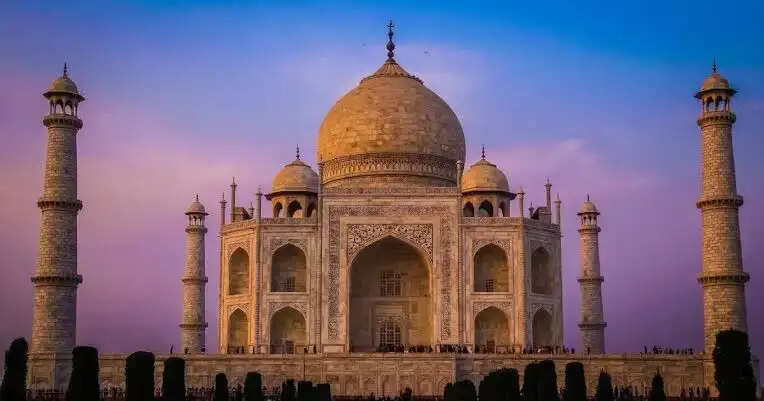
1. Taj Mahal (Agra) — One of the Seven Wonders of the World, registered by UNESCO, was created to honour the memory of the Mughal Emperor Shah Jahan’s favourite wife, Mumtaz Mahal, and symbolizes love and Mughal art through its design. The Taj Mahal receives millions of tourists each year due to its magnificent dome, four minarets, and beautiful paintwork.
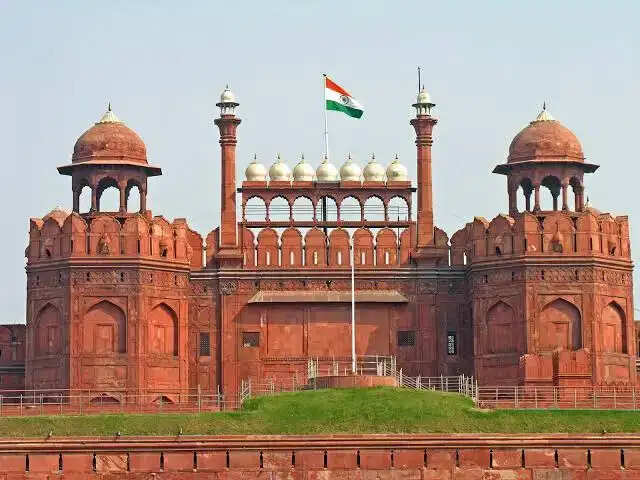
2. Red Fort (Delhi) — Built by Shah Jahan in 1638, the Red Fort was the residence of the Mughal rulers and an example of the wealth and prestige of the Mughal dynasty, being built out of red sandstone. The Red Fort is now a national monument and is the location of the Prime Minister of India’s flag-raising ceremony on Independence Day.
3. Qutub Minar (Delhi) — The Qutub Minar is a great Tower and serves as a celebration of the arrival of Islam in India. This includes both the Qutub Minar and the Qutub Complex, which has the Iron Pillar and ancient mosques, making it one of the most important places for historians and archaeologists.
4. Hawa Mahal in Jaipur, India – The Hawa Mahal (or the Palace of Winds) has a distinctive honeycomb shape featuring 953 windows. It was built in 1799 so that the royal women could watch the street festivals without being seen by the public.
5. Konark Sun Temple in Odisha, India – The 13th-century Konark Sun Temple was built as an enormous stone chariot that would represent the Sun God. It is distinguished as having extraordinary sculpture and being an important astronomical location.
6. Victoria Memorial in Kolkata, India – The Victoria Memorial is surrounded by grandiose marble & stone monuments designed to honor Queen Victoria. It’s an ornate fusion of British and Mughal-style buildings; it functions today as a museum of colonial history.
7. India Gate in Delhi, India – The India Gate is a monument that honors the Indian soldiers killed in both World War I and the 1971 Indo-Pakistan War. The Amar Jawan Jyoti flame represents respect & patriotism.
8. Mysore Palace of Karnataka, India: The Mysore Palace is an extraordinarily grand royal palace with magnificent architecture and opulent decorations. It hosts annual Dussehra festival celebrations that are some of the most spectacular ever!
8. Mysore Palace of Karnataka, India: The Mysore Palace is an extraordinarily grand royal palace with magnificent architecture and opulent decorations. It hosts annual Dussehra festival celebrations that are some of the most spectacular ever!
9. Charminar is a Place of Worship in Hyderabad
Charminar dates back to 1591. It is a significant Islamic place of significance, but it also represents the cultural significance of Hyderabad, with four (4) towers, or minarets, on each side and one large dome located in the middle.
10. Gateway of India
Built during the British Raj, the Gateway of India was to serve as the ceremonial entrance for colonial governors and visitors to India. Today, this iconic site attracts millions of tourists to Mumbai yearly.
Conclusion
The historical monuments of India provide a glimpse into the splendour, artistic ability and cultural diversity of India’s past. These structures continue to be a source of inspiration for millions of tourists, historians and architecture enthusiasts around the world as of 2026, making India a true historical and cultural paradise.
About the Author